


A/C & Heating Services
A/C and heating services encompass technical evaluations, component servicing, equipment setup, and general operational reviews for residential and commercial climate regulation systems.
4 services · typical 5-step process
What it is
This field covers technical support for ducted central cooling units, heat pumps, electric furnaces, combustion heating units, and ductless split systems. Work within this category addresses the mechanical and electrical elements that manage conditioned indoor airflow. Providers commonly inspect circulation blowers, duct connections, thermal distribution networks, cooling lines, and system controls. The scope can span from minor adjustments and part replacements to complete equipment installations or seasonal evaluations, depending on the property layout and existing equipment design.
Services that can fall within A/C & Heating
A/C Repair
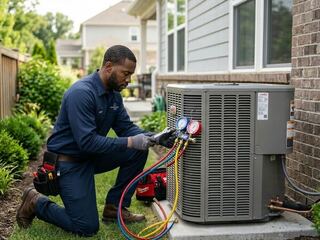
This service involves evaluating mechanical assemblies and electrical circuits in ducted or ductless cooling setups. Tasks can include reviewing compressor function, checking indoor evaporator coils, inspecting condenser fan motors, and assessing cooling lines. Providers often examine electrical controls such as capacitors, relays, and contact switches, observe cycling behavior, and replace worn hardware with compatible components.
Learn moreFurnace Repair
Furnace repair addresses functional issues in gas, electric, or dual-fuel heating units. The scope can entail examining burner components, ignition devices, temperature sensors, heat exchangers, and circulation blower fans. Technicians may also evaluate internal wiring circuits, thermostat connections, and thermal limit controls as part of evaluating typical operating sequences.
Learn moreNew System Install
This service encompasses removing existing heating or cooling hardware and placing updated heat pumps, furnaces, or central air units. Typical procedures can involve reviewing basic property dimensions, positioning indoor and outdoor units, integrating electrical wiring and fluid lines, and connecting compatible wall thermostats or environmental controls.
Learn moreSeasonal Tune-Up
Seasonal tune-ups are general inspection visits focused on operational readiness ahead of periods of higher usage. A visit often includes surface cleaning of accessible heat exchange surfaces, observing fluid levels, examining wiring contacts, evaluating blower fan performance, and reviewing filter housings to assess overall equipment condition.
Learn more
How the work is typically performed
- 1
Initial Equipment Inspection
A technician reviews the indoor and outdoor climate hardware, observes an active operating cycle, records basic electrical and pressure readings, and notes general mechanical wear or physical obstructions.
- 2
Scope and Options Discussion
The service provider reviews general observations with the property owner, outlines potential paths such as component repairs or equipment updates, and details the typical parts and labor involved in each approach.
- 3
Component Replacement or Unit Positioning
Technicians carry out selected service tasks, which may involve installing replacement components, connecting lines, setting new mechanical housings in place, or adjusting control wiring to match equipment guidelines.
- 4
Operational Testing and Calibration
The technician evaluates overall system responses by observing temperature differences across heat exchange coils, checking airflow paths, monitoring startup sequences, and verifying limit switch functions.
- 5
System Review
The technician runs an operating cycle to observe thermostat responsiveness and points out general system features, such as the location of filter compartments and primary disconnect switches.
Common reasons customers look for this service
- Variations in perceived temperature or airflow among distinct interior zones
- Unusual sounds during system startup or operation, such as clicking or rattling
- Continuous fan or compressor operation without reaching designated thermostat settings
- Visible moisture or ice accumulation on internal coils or exterior units
- Aging climate control hardware prompting interest in modernization or component overhauls
- Unexplained shifts in heating or cooling utility usage patterns across billing periods
About A/C & Heating
What can be included in a heating and cooling maintenance visit?
A standard maintenance visit typically includes a visual and functional evaluation of primary components, such as circulation blowers, wiring terminals, heat exchangers, and cooling coils. Providers may clear accessible dust, observe operating pressures, and inspect the state of air filtration materials. Specific inclusions and procedures can vary based on the service company, system type, and property environment.
How do technicians evaluate repair versus replacement options?
Evaluations typically examine factors such as the overall age of the equipment, the history of previous component replacements, the availability of matching parts, and the general configuration of the property. Providers often supply descriptive information about system conditions to assist owners in comparing approaches, with specific pathways depending on owner preferences and contractor capabilities.
How is a central air conditioning installation typically performed?
A central cooling installation typically involves dismounting previous hardware, placing the outdoor condensing unit, and setting the indoor air handling or coil assembly. Technicians then connect refrigerant line sets, establish electrical connections, link condensate drainage lines, and interface the system with a compatible thermostat control.
This page provides general information about A/C & Heating for reference only. It is not professional, safety, medical, legal or financial advice, and it does not describe the services of any particular provider. Scope, methods and timing vary by provider and situation. Kuldesac does not perform these services; contact a qualified provider directly to discuss your specific needs.