


Deck / Fence Wash
Deck and fence washing typically involves using low-pressure water and selected cleaning solutions intended to address mold, algae, dirt accumulation, and weathered fibers on exterior wood and composite surfaces.
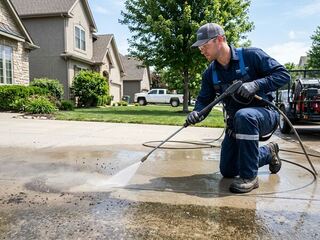
6 possible tasks · typical 4-step process
What it is
Deck and fence washing services focus on outdoor vertical and horizontal architectural structures, which can include privacy fences, perimeter gates, multi-level decks, railings, and structural posts. Service providers generally utilize substrate-appropriate detergents and controlled water pressure designed to wash away organic growth, accumulated grime, and surface oxidation on materials such as cedar, pine, vinyl, and composite boards. This service is primarily focused on exterior surface cleaning and typically does not encompass structural carpentry, board replacement, mechanical sanding, or the application of stains, sealants, or paint.
What Deck / Fence Wash can include
Wood Surface Soft Washing
Application of specialized cleaning agents at lower pressures intended to help loosen embedded organic growth, such as mildew and algae, while minimizing stress on the wood grain.
Composite Deck Cleaning
Detergent washing formulated for capped or uncapped composite materials, designed to lift dirt, food residues, pollen, and surface film from synthetic boards.
Weathered Fiber Removal
Regulated rinsing techniques aimed at removing loose, weathered cellulose fibers from untreated timber surfaces.
Railing and Baluster Detailing
Washing of vertical pickets, balusters, top rails, and support posts to rinse away dust, cobwebs, and surface debris from detailed architectural elements.
Vertical Fence Panel Washing
Surface washing across horizontal and vertical fence pickets, structural backer rails, and gates constructed from wood, vinyl, or composite materials.
Vegetation and Property Protection
Wetting and rinsing of adjacent lawn areas, landscaping, and garden beds before and after washing to help manage runoff and cleaning solution exposure.
How the work is typically performed
- 1
Site Inspection and Preparation
The service provider typically evaluates the structure's surface type, identifies loose components or sensitive areas such as exterior outlets, and wets surrounding landscape areas.
- 2
Detergent and Brightener Application
Cleaning agents or wood brighteners are applied to the surface to help break down surface soils, organic matter, and weathering discoloration.
- 3
Regulated Pressure Rinsing
Using selected spray nozzles and controlled water volume, rinsing is typically conducted along the direction of the wood grain or board pattern to flush away lifted soils.
- 4
Final Detailing and Site Rinse
Platforms, stairs, and vertical borders receive a final rinse, and adjacent hardscapes and plant life are commonly rinsed down to clear residual solution.
Common reasons customers look for this service
- Presence of algae, moss, or surface discoloration on deck walking surfaces
- A weathered or gray appearance on unsealed natural wood structures
- Preparation of exterior surfaces before planned application of stain, paint, or sealant
- Accumulation of soil, mud splatters, or grass debris along lower fence perimeters
- Visible atmospheric dust, soot, or spotting on vinyl or composite panels
About Deck / Fence Wash
How is water pressure typically managed on exterior wood and composite structures?
Washing practices on wood and composite materials generally emphasize lower pressure rinsing paired with dedicated cleaning solutions. This method, often referred to as soft washing, is intended to loosen dirt and biological growth while minimizing the potential for gouging, splintering, or surface fiber disruption. Pressure levels and tip angles can vary depending on the wood species and the condition of the material.
What factors influence drying times for decks and fences following a wash?
Drying periods can vary based on weather conditions, including humidity levels, ambient temperature, air movement, and sun exposure. In many cases, surfaces dry within one to two days, though porous wood surfaces can take longer depending on seasonal factors and subsequent project plans, such as whether a coating or sealant is scheduled to follow.
Does standard deck and fence washing remove existing paint or solid stains?
Standard deck and fence cleaning is designed to lift dirt, biological growth, and loosely bonded, peeling particles. It is generally not intended to fully strip sound layers of paint or solid stains. Removing intact finishes typically involves specific stripping solutions or mechanical sanding processes, which depend on the service scope offered by the provider.
This page provides general information about Deck / Fence Wash for reference only. It is not professional, safety, medical, legal or financial advice, and it does not describe the services of any particular provider. Scope, methods and timing vary by provider and situation. Kuldesac does not perform these services; contact a qualified provider directly to discuss your specific needs.