


Oil Change
A mobile oil change describes an automotive maintenance visit where an on-site service professional extracts existing lubricant from an engine crankcase, mounts an unused filter, and supplies replacement motor fluid at an owner's requested destination.
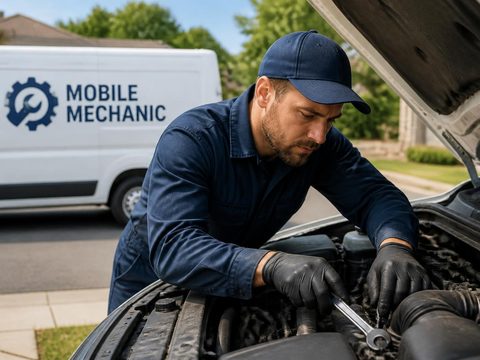
7 possible tasks · typical 5-step process
What it is
Mobile oil change operations provide routine vehicular fluid care at locations such as home driveways, corporate parking lots, or commercial yards. In lieu of driving a car or light truck to a stationary garage, a visiting service unit travels with fluid containment devices, fresh lubricants, and relevant mechanical implements directly to the parked vehicle. Typical procedures include withdrawing the spent crankcase fluid, installing a fresh filter unit, refilling the reservoir to standard capacity levels, and surveying auxiliary vehicle reservoirs. This field service typically focuses on standard fluid exchanges and does not encompass comprehensive engine overhauls, mechanical rebuilds, or complex diagnostic testing.
What Oil Change can include
Engine Oil Drainage
Technicians evacuate motor fluid from the crankcase using either gravity discharge from the bottom pan aperture or pneumatic extraction tools routed downward through the dipstick conduit into dedicated collection drums.
Oil Filter Replacement
The existing filtration unit is detached from the engine block, after which an unused replacement filter with a fresh elastomeric gasket is positioned according to applicable vehicle designations.
Fresh Oil Replenishment
New motor oil—selected from conventional, semi-synthetic, or full-synthetic varieties matching designated viscosity criteria—is poured into the engine until reaching the general fill specification.
Crush Washer Replacement
When service utilizes the standard oil pan drain port, the mating washer or sealing ring is commonly substituted with a fresh component intended to assist fluid retention.
Auxiliary Fluid Inspection
Secondary under-hood reservoirs, including those for windshield washer fluid, steering assist fluid, or radiator coolant expansion tanks, may undergo visual assessment or minor top-offs based on the service package selected.
Maintenance Light Reset
Instrument cluster service reminders or electronic fluid life counters are typically recalibrated using integrated in-cab control sequences or handheld diagnostic scanning equipment.
Eco-Safe Fluid Disposal
Drained fluids, used filter housings, and soiled absorbent materials are placed into onboard transport reservoirs for subsequent routing toward regional recycling centers or fluid management depots.
How the work is typically performed
- 1
Site Setup and Containment
The service technician positions the mobile workshop adjacent to the automobile, installs wheel stops, and sets catchment pans, ground mats, or absorbent barriers underneath the motor bay to capture stray drips.
- 2
Fluid Extraction and Filter Removal
The technician opens the oil fill port on top of the engine and removes the used lubricant either via the lower oil pan orifice or an upper-access suction tube before unthreading the current filter.
- 3
New Filter and Gasket Installation
The replacement filter is lubricated along its mating ring, threaded onto the mounting pad, and the lower drainage bolt is secured alongside an unused sealing washer.
- 4
Oil Fill and Level Verification
Replacement fluid is introduced into the engine crankcase according to vehicle guidelines, the motor may be turned on momentarily to cycle fluid through the new filter, and dipstick markings are observed to assess fluid quantity.
- 5
Final Inspection and Area Pack-Down
The technician conducts a visual check of the drain bolt and filter connection for moisture, updates dashboard service notifications where available, and stows tools and recovery containers back onto the transport vehicle.
Common reasons customers look for this service
- Passage of typical travel distances or calendar spans noted in vehicle documentation
- Illumination of an in-dash fluid life monitor or scheduled service reminder
- Regular fleet maintenance coordination for business automobiles situated on company grounds
- Changes in fluid coloration, clarity, or volume observed on the measuring dipstick
- Vehicles being prepared for use following extended periods in storage or parking bays
About Oil Change
How do mobile providers handle fluid containment on driveways or parking areas?
Mobile providers often deploy specialized ground mats, wide-aperture catchment trays, or self-contained vacuum extraction systems intended to manage fluid transfer without ground contact. Actual setup details can vary based on individual operating practices and the specific ground surface.
What types of motor oil are available through mobile services?
Mobile operators typically carry a variety of formulations, including conventional oils, synthetic blends, full synthetic fluids, high-mileage options, and specialized European specifications. Inventory and product availability depend on the individual service provider.
How is used motor oil managed after a mobile service?
Drained engine fluids and discarded filter elements are generally stored in dedicated, closed transport containers aboard the service vehicle and subsequently transferred to fluid collection or recycling hubs according to local handling practices.
This page provides general information about Oil Change for reference only. It is not professional, safety, medical, legal or financial advice, and it does not describe the services of any particular provider. Scope, methods and timing vary by provider and situation. Kuldesac does not perform these services; contact a qualified provider directly to discuss your specific needs.