


Pressure Washing Services
Pressure washing refers to the exterior cleaning of architectural surfaces, flatwork, and outdoor structures using pressurized water streams and specialized cleaning solutions.
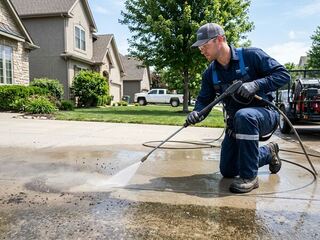
3 services · typical 4-step process
What it is
This service category encompasses the removal of organic matter, soil, grease, and atmospheric particulates from exterior surfaces on residential and commercial properties. Cleaning methods can range from high-pressure water application for dense substrates like unpainted masonry to lower-pressure wash techniques for materials such as siding, decorative trim, or wood structures. The general scope can involve preparing adjacent areas, applying detergents or surfactant solutions, and rinsing substrates to lift surface accumulation.
Services that can fall within Pressure Washing
House Wash
House washing typically addresses the removal of organic matter, pollen, dust, and environmental residue from vertical cladding materials, including vinyl, stucco, fiber cement, brick, and aluminum siding. Service providers often utilize lower-pressure methods, sometimes referred to as soft washing, combined with detergent solutions formulated to clean surfaces while aiming to protect siding seams, paint, and window seals from high-impact water.
Learn moreDriveway / Concrete Wash
This service can cover flat horizontal masonry surfaces such as poured concrete slabs, exposed aggregate, paver driveways, brick walkways, and exterior garage aprons. Technicians commonly employ rotary surface cleaning attachments or specialized spray nozzles connected to pressure units to address ground-in dirt, tire marks, moss, and surface staining across flat masonry areas.
Learn moreDeck / Fence Wash
Deck and fence washing involves the cleaning of vertical and horizontal wood or composite structures, including perimeter fencing, railings, and multi-level decks. The process typically combines controlled pressure levels with targeted wood-cleaning or brightening agents intended to lift gray weathering, mildew, and accumulated soil from natural timber or composite boards.
Learn more
How the work is typically performed
- 1
Site Inspection and Property Protection
Service providers generally review the property layout, note exterior surface materials, verify water supply connections, and identify exterior electrical fixtures. Outdoor furniture, nearby plantings, lighting, and sensitive building fixtures may be rinsed, covered, or shielded as part of preliminary site preparation.
- 2
Pre-Treatment and Detergent Application
Cleaning agents, surfactants, or mild chemical washes are applied across targeted exterior surfaces using low-pressure spray nozzles. The solution is typically permitted to dwell on the substrate for a designated period to assist in loosening surface grime, organic residue, and atmospheric films.
- 3
Surface Agitation and Pressure Washing
Operators utilize chosen pressure settings, fan tips, or rotary surface cleaning tools appropriate for the specific material being cleaned. Pressurized water is passed over the surfaces to dislodge loosened dirt, particulate buildup, and organic accumulation from masonry pores, siding edges, or wood grain.
- 4
Final Neutralizing Rinse and Inspection
Treated areas are typically rinsed with fresh water to carry away loosened debris and cleaning residues. Adjacent surfaces, window glass, and surrounding landscape beds are often given a final rinse, followed by an overview of the work area to evaluate overall surface consistency.
Common reasons customers look for this service
- Visible accumulation of moss, lichen, or mildew on exterior cladding and facades
- Presence of surface stains, tire marks, or vehicle fluid marks on concrete and pavers
- Discoloration and natural gray weathering on exterior wood decks or fencing
- Accumulation of organic growth or sediment on exterior walking surfaces
- Preparation of siding, wood, or flatwork prior to painting, staining, or sealing projects
- Seasonal accumulation of atmospheric soot, environmental dust, or pollen on exterior materials
About Pressure Washing
What is the distinction between standard pressure washing and soft washing?
Standard pressure washing generally relies on higher water pressure to clean hard, resilient substrates like stone or unpainted concrete. Soft washing refers to techniques utilizing significantly lower water pressure coupled with specialized detergent solutions, commonly applied to surfaces such as painted siding, roofing, and finished wood.
How are surrounding plants and property grounds typically addressed during exterior washing?
Procedures can vary by provider, but technicians often pre-wet surrounding vegetation with water before applying cleaning solutions, rinse plant leaves during the process, or use plastic coverings over delicate flora to limit direct exposure to cleaning compounds.
What factors commonly influence how frequently exterior surfaces are washed?
Cleaning intervals can vary depending on local environmental factors. Shaded areas, regions with higher humidity, proximity to unpaved roads, and heavy overhead tree canopies can accelerate the accumulation of organic matter and dust, whereas open, dry environments may experience slower buildup.
This page provides general information about Pressure Washing for reference only. It is not professional, safety, medical, legal or financial advice, and it does not describe the services of any particular provider. Scope, methods and timing vary by provider and situation. Kuldesac does not perform these services; contact a qualified provider directly to discuss your specific needs.