


Chimney Inspection
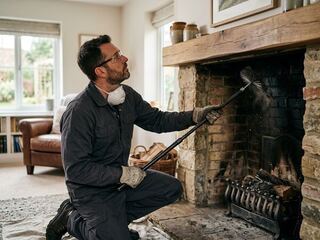
A chimney inspection is a descriptive assessment of a venting assembly, hearth area, flue passageway, and associated exterior architecture to record visible characteristics, material state, and system layout.
6 possible tasks · typical 4-step process
What it is
Chimney inspections involve observational reviews of venting assemblies associated with solid-fuel, pellet, or gas heating configurations. The process typically entails surveying visible portions of the firebox, damper mechanisms, smoke transition zones, interior liners, top terminations, and exterior wall or roof intersections. Diagnostic tools such as portable optics or mechanical cameras may be utilized depending on access and system design. These services focus on reporting documented physical conditions, surface characteristics, and spatial relationships rather than performing active maintenance. Consequently, inspections generally do not encompass sweeping operations, soot extraction, major masonry restoration, or structural alterations that require dismantling finished walls, floors, or ceiling assemblies to view concealed structural elements.
What Chimney Inspection can include
Firebox and Damper Evaluation
Evaluators typically review the interior firebox walls, modular refractory liners, and jointing compounds for visible surface erosion, separating gaps, or thermal wear, along with noting the operational movement and seating of the manual or mechanical damper plate.
Flue Interior Video Scanning
Service personnel may guide an illuminated recording device along the inner expanse of the chimney flue to document the observed surface state of clay liners, factory-built metal conduits, particulate collections, or physical intrusions along the passageway.
Smoke Chamber Assessment
This evaluation can cover the sloped transition zone between the fireplace opening and the primary flue, documenting the presence or absence of smooth parge coatings, visible joint gaps, interior surface coatings, and measurable proximity to adjacent building framing.
Exterior Chimney and Masonry Review
Examinations generally encompass the outer chimney structure extending above the roofline, noting the observable state of exterior masonry, brick surfaces, mortar joints, siding materials, counterflashing attachments, and chase panels.
Chimney Crown and Cap Inspection
Technicians frequently observe the upper mortar wash or poured concrete crown for visible fissures or surface spalling, while reviewing the placement, screen condition, and physical fastening of chimney caps or termination fixtures.
Combustion Clearance Verification
This portion of the service can involve measuring documented distances between heating equipment, connecting stovepipes, hearth extensions, and surrounding combustible building assemblies.
How the work is typically performed
- 1
Hearth Area Preparation and Preliminary Review
Technicians typically arrange protective coverings across the hearth surroundings, document the appliance configuration and fuel arrangement, and conduct an initial visual examination of visible fireplace opening elements.
- 2
Passageway and Flue Scanning
Utilizing specialized illumination or remote video technology, inspectors may traverse accessible interior sections of the flue to log liner material consistency, joint intersections, and visible accumulation patterns.
- 3
Exterior Structure and Termination Observation
The technician may review roof-level structural masonry, metal chase covers, flashing integrations, and termination caps, conducting observations from the rooftop, eave access points, or elevated imaging equipment.
- 4
Documentation and Summary Delivery
The evaluator typically compiles recorded photographs, visual observations, and notes into an informational report summarizing the documented configuration and physical condition of the venting components examined.
Common reasons customers look for this service
- During property sales or real estate transfers involving residences with venting systems or hearth appliances
- Following substantial meteorological conditions, seismic occurrences, or environmental events
- Prior to resuming heating appliance operation after an extended period of inactivity
- When planning heating appliance replacements, fuel source conversions, or hearth insert additions
- Upon observing alterations in draft behavior, air movement, or fireplace room aromas
About Chimney Inspection
What distinguishes a chimney inspection from a chimney cleaning service?
An inspection is an observational review centered on gathering information and documenting the visible configuration and condition of a venting assembly. Cleaning, on the other hand, involves the physical brushing, vacuuming, and extraction of combustion residues and particulate matter from the firebox and flue interior. An inspection summary report provides documentation of observed physical states without incorporating manual residue removal.
What factors can influence the duration of a chimney inspection?
The time spent performing an inspection can vary depending on multiple variables, such as total chimney height, the overall number of dedicated flues, the ease of access to the hearth and roofline, and the specific diagnostic equipment utilized, such as internal video camera systems.
How are elevated chimney components typically observed during an inspection?
Methods for viewing upper chimney surfaces depend on individual site layouts and provider practices. Technicians may observe exterior components directly from the roof plane when reachable. Alternatively, observations can be performed from ground level, using ladder positions near the eaves, extending telescoping camera poles, or deploying remote aerial photographic devices.
This page provides general information about Chimney Inspection for reference only. It is not professional, safety, medical, legal or financial advice, and it does not describe the services of any particular provider. Scope, methods and timing vary by provider and situation. Kuldesac does not perform these services; contact a qualified provider directly to discuss your specific needs.