


Emergency Water Extraction
Water extraction involves the mechanical collection and removal of standing or pooled liquid caused by plumbing failures, weather intrusions, or appliance overflows, helping to reduce absorption into surrounding structural materials.
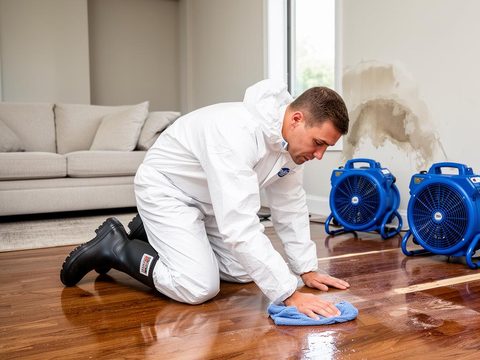
6 possible tasks · typical 5-step process
What it is
Water extraction services focus on the physical removal of standing liquid from flooring surfaces, subfloor assemblies, and accessible interior spaces. Service providers typically deploy specialized pumps, suction tools, and commercial vacuum equipment designed to lift bulk water. This phase is distinct from long-term environmental remediation, which may involve deep structural drying, continuous dehumidification, drywall replacement, or general reconstruction services.
What Emergency Water Extraction can include
Submersible Pumping
Can involve deploying submersible pumps to draw high volumes of standing water out of basements, crawlspaces, or ground-level rooms.
Industrial Vacuum Extraction
Typically utilizes truck-mounted or heavy-duty portable extraction units designed to pull surface liquid from concrete, tile, and other hard materials.
Carpet and Underlayment Extraction
May use weighted floor tools or high-suction wands intended to draw liquid out of carpet fibers, synthetic backing, and cushion padding.
Moisture Mapping and Migration Assessment
Can include documenting visible and hidden water migration using thermal imaging cameras, pin probes, and non-invasive moisture meters.
Bulk Wastewater Disposal
Often involves directing pumped liquid away from the structure through sanitary discharge lines or designated transport containers.
Surface Squeegeeing and Edge Detailing
May include guiding standing liquid away from baseboards, corners, and localized floor depressions using specialized squeegee attachments.
How the work is typically performed
- 1
Initial Assessment and Site Survey
Technicians typically observe affected zones, document the apparent boundaries of standing liquid, and evaluate the layout of the space.
- 2
Bulk Liquid Pumping
Pumps are positioned in deeper pooled areas to discharge substantial volumes of liquid away from the building interior.
- 3
Targeted Vacuum Extraction
Specialized extraction wands or weighted floor equipment are moved across saturated surfaces to collect residual liquid from porous and semi-porous substrates.
- 4
Debris and Silt Clearance
Coarse particulate, sediment, or loose saturated matter that could obstruct extraction equipment or drainage channels is collected and removed.
- 5
Baseline Moisture Documentation
Moisture levels are frequently measured across structural materials to establish reference readings for any subsequent drying procedures.
Common reasons customers look for this service
- Plumbing failures, such as ruptured supply pipes or failed fittings
- Sump pump operational interruptions during heavy rainfall
- Appliance malfunctions, including overflowing water heaters or washing machines
- Municipal or domestic drainage line backups into interior spaces
- Weather events resulting in surface runoff penetrating interior entryways
- Accumulated liquid pooling over carpets, hardwood flooring, or concrete subfloors
About Emergency Water Extraction
How does water extraction differ from structural drying?
Water extraction focuses on the mechanical removal of visible standing liquid using pumps and vacuum systems. Structural drying is a separate process that typically employs air movers and industrial dehumidifiers over an extended period to address bound moisture held within structural materials.
What factors influence whether flooring assemblies can be addressed via extraction?
Material composition, the source of the water, and the overall duration of exposure often influence how flooring behaves. While extraction tools can remove topical and embedded water, porous padding or composite subfloors may retain moisture differently and may be handled separately depending on the provider's evaluation.
What typically determines the time required for an extraction service?
The time involved generally depends on the volume of standing liquid, the square footage of the affected structure, and the porosity of the underlying materials. Operations can range from several hours for localized surface vacuuming to longer periods when deep pumping and debris clearance are involved.
This page provides general information about Emergency Water Extraction for reference only. It is not professional, safety, medical, legal or financial advice, and it does not describe the services of any particular provider. Scope, methods and timing vary by provider and situation. Kuldesac does not perform these services; contact a qualified provider directly to discuss your specific needs.