


Dry Cleaning
Mobile dry cleaning describes a textile care service involving the scheduled pickup, solvent-based cleaning, finishing, and return delivery of garments and household fabrics.
6 possible tasks · typical 5-step process
What it is
Mobile dry cleaning provides textile care through the retrieval, commercial solvent treatment, pressing, and return of clothing and specialty fabrics. This service is commonly selected for fabrics that may experience shrinkage, distortion, or color alteration if exposed to standard water laundering methods, such as natural silks, tailored wools, rayon blends, and delicate linens. Typical processing can involve sorting textiles according to fiber properties, managing localized spots, utilizing non-aqueous fluid solutions, and applying heat or tension finishing. Standard mobile dry cleaning offerings generally focus on conventional garments, business attire, and select household draperies, while excluding on-premises carpet extraction, shoe repair, leather re-dyeing, or structural tailoring work.
What Dry Cleaning can include
Fabric Inspection and Pre-Spotting
Technicians can review manufacturer tags, fiber construction, and visible spots, potentially applying targeted spot-treating agents designed for oil-based, protein, or tannin residues prior to general solvent cleaning cycles.
Solvent-Based Immersion Cleaning
Items are typically introduced to closed-circuit commercial dry cleaning machinery where non-aqueous fluid mediums, such as hydrocarbon blends or alternative solvents, circulate to dissolve grease and particulate matter without standard water baths.
Steam Pressing and Form Finishing
Garments may undergo shaping and smoothing on dedicated utility presses, tensioning equipment, or specialty hand irons intended to refine silhouettes, restore pleating lines, and diminish wrinkles.
Minor Garment Maintenance
Some operations can incorporate basic fastening procedures during intake or finishing, such as securing loose standard buttons, fastening minor seam separations, or trimming unraveled thread ends upon inspection.
Structured Garment Conditioning
Tailored pieces, including lined outerwear, suit jackets, and formal blazers, can receive pressurized steam treatment or form-based conditioning to support interior padding, shoulder structures, and chest piece positioning.
Protective Packaging and Labeling
Completed apparel is often sorted with service barcodes or paper tags, placed on wire or plastic hangers, and draped within lightweight poly covers intended to shield fabrics from contact during transit.
How the work is typically performed
- 1
Scheduled Pickup and Intake
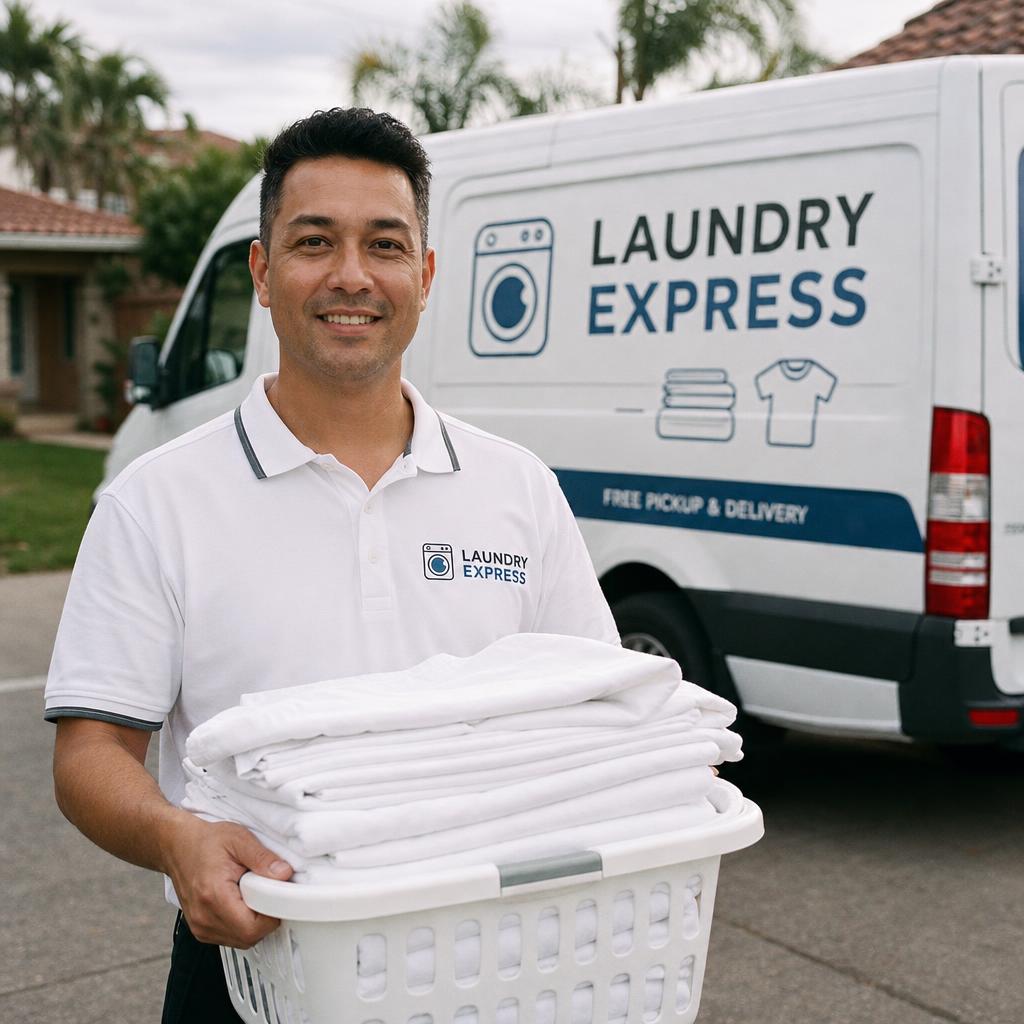
A logistics courier arrives at the client's designated location to gather items, provide receipt documentation or item tallies, and transport the order to an off-site processing facility.
- 2
Sorting and Pre-Treatment
Textiles are typically cataloged and grouped by fabric weight, dye stability, and care symbol requirements, followed by initial localized stain application under dedicated illumination tables.
- 3
Solvent Cleaning and Extraction
Batches are processed inside computerized dry cleaning machines, where solvents circulate through filtration systems, extract soils, and are subsequently removed through centrifugal spinning and temperature-controlled drying.
- 4
Finishing and Quality Audit
Apparel moves to specialized finishing stations where steam or pneumatic pressure shapes garments, followed by an informal visual check to verify overall appearance prior to packaging.
- 5
Scheduled Delivery
Prepared garments are positioned within delivery vehicles, commonly suspended on racks, and transported back to the specified residence or office pickup point according to the agreed route plan.
Common reasons customers look for this service
- Wardrobe pieces marked by manufacturers with dry-clean-only or specialized textile symbols
- Garments containing oil, cosmetic, wax, or grease-based deposits that respond to chemical solvent processing
- Apparel made from water-sensitive or delicate fibers including wool, silk, rayon, acetate, or cashmere
- Constructed garments such as blazers, two-piece suits, and structured trench coats with interior canvassing
- Decorative or formal garments bearing sequins, lace, delicate beading, or intricate embroidery
- Selected interior home fabrics, such as lined window curtains, specialty slipcovers, or delicate table linens
About Dry Cleaning
What distinguishes dry cleaning from mobile wash-and-fold laundry services?
Mobile wash-and-fold laundry typically utilizes water, detergent agents, and mechanical tumbling in conventional washing machines and heat dryers, making it common for everyday casual attire, athletic wear, and bed linens. In contrast, mobile dry cleaning relies on specialized non-aqueous fluids, minimal mechanical action, and commercial steam finishing, which is often chosen for delicate, structured, or moisture-sensitive textiles that could shrink, pill, or deform in standard water baths.
What types of spots or stains can dry cleaning address?
Dry cleaning solvents are formulated primarily to dissolve oil-, lipid-, and grease-based residues, such as food oils, body sebum, and certain lotions. Stains containing water-soluble elements, including beverage spills, perspiration, or sugary liquids, usually involve separate water- or steam-based pre-spotting methods. The overall degree of stain lightening or removal can depend on fabric composition, the history of the spot, and how the material responds to specific spot treatments.
How are garments typically prepared for a mobile dry cleaning collection?
Preparation generally involves segregating dry-clean-specific items from routine washable laundry, clearing personal effects from all garment pockets, and occasionally placing notes on areas with specific spotting concerns. Providers commonly transfer items into their own transport bags, inspect them at the processing plant, and return garments on commercial wire or plastic hangers wrapped in protective plastic film.
This page provides general information about Dry Cleaning for reference only. It is not professional, safety, medical, legal or financial advice, and it does not describe the services of any particular provider. Scope, methods and timing vary by provider and situation. Kuldesac does not perform these services; contact a qualified provider directly to discuss your specific needs.