


Snow Removal Services
Snow removal encompasses mechanical plowing, surface de-icing, and roof ice mitigation services designed to clear accumulated winter precipitation from vehicle lanes, pedestrian walkways, and building rooflines.
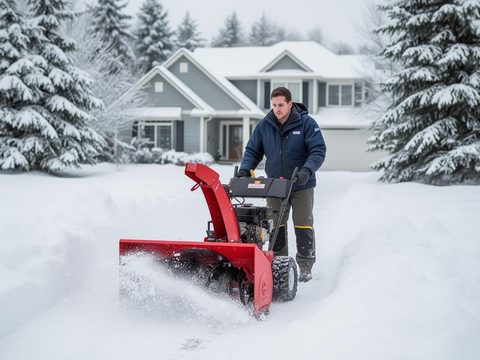
4 services · typical 5-step process
What it is
Snow removal services facilitate vehicle and pedestrian passage across private properties, commercial facilities, and residential access points during winter weather events. Service providers deploy plow trucks, heavy pushers, blowers, and chemical melting agents to clear driveways, parking lots, and walkways. The category also encompasses roof ice dam removal, which is intended to address ice formations along eaves and assist with meltwater drainage.
Services that can fall within Snow Removal
Residential Driveway Plowing
Operators can use truck-mounted blades, snow blowers, or compact loaders to clear vehicular lanes, parking areas, and turnarounds. Cleared snow is typically placed along designated landscape borders, with efforts made to preserve access to garage entries, pathways, and utility connections.
Learn moreCommercial Parking Lot Plowing
Service providers deploy equipment such as wide-angle box plows, loaders, and skid steers to clear commercial parking areas, drive lanes, and loading docks. Operators generally consolidate snow into designated perimeter zones or arrange for off-site hauling when space is limited.
Learn moreSalting & De-Icing
Technicians distribute granular rock salt, calcium chloride, or liquid brines across paved areas. These applications are intended to weaken the bond between ice and the ground, support the melting of packed snow, and address slippery conditions on walkways and driving surfaces.
Learn moreIce Dam Removal
Technicians address solid ice accumulations that develop along roof eaves, gutters, and downspouts. Service providers often utilize low-pressure steam equipment to carve drainage paths through ice formations, helping facilitate runoff while minimizing mechanical impact on shingles and roof decks.
Learn more
How the work is typically performed
- 1
Site Inspection and Pre-Treatment
Personnel review property boundaries and obstacles, and may apply liquid brine or granular treatments intended to reduce snow bonding to paved surfaces.
- 2
Plowing and Surface Clearing
Operators deploy mechanical plows, box pushers, or blowers in systematic passes to move snow from primary travel paths and open parking surfaces toward designated storage areas.
- 3
Walkway Detailing and Hand Shoveling
Crews use walk-behind blowers, power brooms, and shovels to clear pedestrian steps, ramps, and building entry points where larger machinery cannot operate.
- 4
Post-Clearing De-Icing
Workers often distribute melting agents across cleared surfaces to help dissolve residual packed snow and address potential refreezing during freeze-thaw cycles.
- 5
Site Monitoring and Push-Back
During extended winter events, crews may return to push back encroaching snow banks, address obstructed sightlines, and monitor runoff pathways as temperatures fluctuate.
Common reasons customers look for this service
- Accumulation of snow across driveways, parking areas, or pedestrian paths
- Compacted snow or surface ice forming on vehicular travel lanes
- Ice ridges or dams developing along roof eaves and drainage gutters
- Drifting snow collecting near doorways, delivery bays, or walkways
- Temperature fluctuations contributing to surface melt and refreeze cycles
About Snow Removal
What is the operational difference between anti-icing and de-icing treatments?
Anti-icing typically involves applying liquid solutions, such as brine, before precipitation to help inhibit snow and ice from adhering to pavement. De-icing generally involves applying granular compounds after precipitation has accumulated to assist in breaking down ice and packed snow.
How do technicians typically address ice dams on roofs?
Technicians commonly utilize low-pressure steam units to melt narrow drainage channels through the ice formation. This method is designed to allow pooled meltwater to drain away while reducing the physical force applied to underlying roofing materials.
Where is cleared snow typically placed on a property?
Plow operators generally push snow to low-traffic perimeter zones, designated retention areas, or open landscape margins. If on-site storage capacity is reached, arrangements may involve loading and hauling snow off the property.
This page provides general information about Snow Removal for reference only. It is not professional, safety, medical, legal or financial advice, and it does not describe the services of any particular provider. Scope, methods and timing vary by provider and situation. Kuldesac does not perform these services; contact a qualified provider directly to discuss your specific needs.