


Interior Painting
Interior painting comprises the application of preparatory coatings, colored paints, or stains across indoor structural components such as vertical walls, overhead ceilings, woodwork moldings, and passage doors to modify color arrangements, visual finishes, or surface appearance.
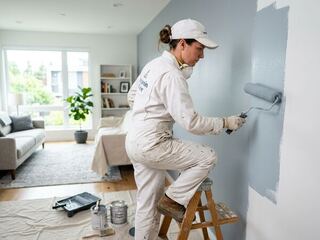
6 possible tasks · typical 5-step process
What it is
This classification of interior service commonly encompasses the preliminary handling, substrate priming, and application of decorative fluid coatings across standard building partitions, including drywall assemblies, plaster planes, floor baseboards, window surrounds, and interior passageways. Project scopes often feature minor substrate evening, spot treatment of small fastener perforations or shallow indentations, boundary masking with tape, and manual or mechanical finish application using rollers, hand brushes, or spray apparatus. Standard scopes generally exclude structural plaster rebuilding, major wallboard installation, structural remediation, abatement procedures, or exterior structural coating.
What Interior Painting can include
Wall and Ceiling Coating
May involve spreading latex, acrylic, or specialty architectural coatings across smooth, textured, or elevated indoor expanses using roller setups, brushes, or mechanical spray tools to alter color palettes or surface sheen.
Trim and Baseboard Enameling
Can involve hand-brushing, rolling, or spraying targeted trim finishes or enamel coatings onto decorative architectural woodwork, including floor baseboards, crown trim, chair rails, and framing assemblies.
Interior Door and Frame Refinishing
Can encompass preparatory scuffing, cleaning, and coating application across flat, paneled, or glass-inset door slabs and their corresponding jambs using compatible paints or semi-transparent stains.
Minor Drywall Patching and Caulking
May incorporate the filling of small surface penetrations, application of patching material over minor surface depressions, and placement of paintable flexible sealant along joints between trim elements and wall planes.
Spot Priming and Stain Blocking
Can feature the selective application of preparatory undercoats over spackled areas, bare gypsum, deeply contrasting prior hues, or noticeable surface markings before the placement of final surface layers.
Site Protection and Masking
Can include positioning protective coverings or barrier films over flooring, covering nearby interior items with protective sheeting, and applying specialized painter tape along hardware, glass panes, and non-painted borders.
How the work is typically performed
- 1
Site Setup and Masking
Work zones are generally prepared by repositioning interior articles, spreading fabric or plastic floor covers, and aligning barrier tape along connecting surfaces, trim perimeters, and fixed hardware.
- 2
Surface Cleaning and Mechanical Prep
Substrates may be scraped to dislodge non-adherent particles, shallow impressions filled with repair paste, glossy coatings abraded to assist finish attachment, and airborne residue swept clear.
- 3
Priming and Substrate Sealing
Undercoats may be distributed across patched zones, raw building materials, or saturated underlying tones to encourage even absorption and assist with overall topcoat coverage.
- 4
Finish Paint Application
Technicians frequently outline borders and intersections by hand before spreading finish paint across broader fields using rollers or spraying devices to achieve uniform visual depth.
- 5
De-Masking and Final Inspection
Masking strips and floor barriers are typically retrieved, switch covers or hardware replaced, work zones organized, and coated expanses examined for uniform color distribution or areas receptive to touch-up.
Common reasons customers look for this service
- Presence of surface scuffs, rubbing marks, or everyday surface wear on walls or moldings
- Alterations to room lighting, interior decor motifs, or general color selections
- Preparation for property transfers, residential tenant transitions, or functional space adjustments
- Flaking, chipping, or fading visible along base moldings, wall trim, or door panels
- Interest in altering existing gloss levels, undertones, or surface textures across indoor spaces
About Interior Painting
What influences the number of paint coats applied on interior surfaces?
The number of applied layers can vary depending on existing substrate tones, paint quality, color saturation differences, and whether a dedicated undercoat is used. Transitions between contrasting hues or applications over porous materials can involve multiple coating layers, whereas similar maintenance tones might involve fewer applications depending on the service provider.
What types of paint sheens can be selected for interior architectural components?
Interior formulations can include non-reflective, low-sheen, subtle-luster, medium-gloss, and high-gloss options. Overhead ceiling surfaces and lower-contact areas frequently receive low-reflectance finishes, while general living areas commonly feature subtle-sheen products. Woodwork, door slabs, and moisture-prone or high-contact zones often receive medium or high-gloss coatings, though selections vary according to property owner preference.
What preparatory steps are commonly undertaken before painting begins?
Pre-coating arrangements can depend on the provider and the agreed project terms. Commonly, smaller decorative pieces, fragile items, and wall decorations are cleared from the room. Service teams often take on tasks like masking woodwork edges, laying protective drop sheets, and sliding larger furnishings toward central areas, though the delineation of preparation tasks can vary.
This page provides general information about Interior Painting for reference only. It is not professional, safety, medical, legal or financial advice, and it does not describe the services of any particular provider. Scope, methods and timing vary by provider and situation. Kuldesac does not perform these services; contact a qualified provider directly to discuss your specific needs.