


Termite Treatment
Termite treatment is a pest control service designed to address subterranean and drywood termite presence within and around existing building structures.
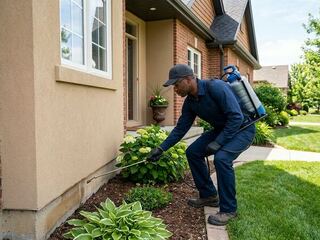
6 possible tasks · typical 5-step process
What it is
This service typically involves chemical soil applications, localized wood interventions, and exterior monitoring systems intended to target termite colonies and manage wood-destroying activity. The scope of work can include exterior perimeter soil treatments, crawl space applications, direct wood-gallery injections, and bait station installations. The service generally does not include structural carpentry repairs, interior finish reconstruction, or remediation of non-wood-destroying pests.
What Termite Treatment can include
Perimeter Trenching and Soil Rodding
Technicians excavate narrow trenches along exterior foundation perimeters and use specialized ground rods to apply liquid termiticides, intended to establish a treated soil barrier.
Bait Station Installation
In-ground monitoring stations are placed at spaced intervals around the structure to track subterranean activity and introduce slow-acting bait formulations to foraging workers.
Direct Wood and Gallery Injection
Small access points can be drilled into affected framing, sill plates, or structural timbers to inject termiticidal foam or liquid formulations directly into active insect galleries.
Slab and Masonry Drilling
Technicians can drill holes through attached concrete slabs, walkways, or garage floors to introduce termiticide into the underlying soil voids along foundation perimeters.
Wall Void Foam Treatment
High-expansion termiticide foam is introduced into interior drywall cavities, around utility penetrations, and inside hollow masonry block foundation voids.
Crawl Space Soil Application
Exposed interior soil, support piers, and foundation walls within crawl spaces are treated with termiticides to address potential subterranean pathways beneath living areas.
How the work is typically performed
- 1
Structural and Perimeter Assessment
Technicians visually inspect structural timbers, crawl spaces, basements, and exterior foundation perimeters to identify termite species, entry points, and the extent of activity.
- 2
Treatment Strategy Planning
A targeted application plan is developed, outlining the appropriate combination of liquid soil barriers, structural foam, or exterior bait systems based on building construction.
- 3
Product Application and Mechanical Drilling
Crews perform necessary trenching, masonry drilling, foam injection into structural voids, and installation of exterior monitoring devices around the property.
- 4
Site Patching and Surface Closure
Drill access points in concrete or masonry are filled with patching materials, such as hydraulic cement, and exterior soil trenches are backfilled.
- 5
Monitoring and Follow-Up
Providers may outline a schedule to inspect bait consumption, evaluate treated zones, and check for signs of ongoing or renewed insect movement.
Common reasons customers look for this service
- Observations of shed insect wings clustered along windowsills, baseboards, or floor areas
- Visible mud shelter tubes extending along foundation walls, support piers, or framing
- Wood elements that sound hollow or exhibit surface bubbling or deterioration
- Accumulations of small, wood-colored fecal pellets (frass) below trim or wood members
- Sightings of winged insects swarming near interior lights or exterior foundation edges
About Termite Treatment
What is the difference between liquid barrier treatments and baiting systems?
Liquid treatments involve applying termiticide into the soil around a structure to create a treated perimeter zone designed to deter or affect termites entering the area. Baiting systems utilize discrete stations placed in the soil containing cellulose material with an active ingredient intended to be shared among foraging colony members.
What does property occupancy involve during termite treatment applications?
Occupancy protocols depend on the specific application method and provider practices. Exterior soil treatments and in-ground bait monitors often involve work outside the home without requiring interior clearance. When interior wall-void foams or crawl space applications occur, service providers may outline specific guidelines regarding work zone access while products dry.
How long can termite treatments typically remain active?
The operational duration of a treatment can vary depending on soil composition, moisture exposure, environmental factors, and the product used. Liquid soil barriers are often formulated to remain active in undisturbed soil for several years, while baiting systems generally involve ongoing monitoring and regular component replacement.
This page provides general information about Termite Treatment for reference only. It is not professional, safety, medical, legal or financial advice, and it does not describe the services of any particular provider. Scope, methods and timing vary by provider and situation. Kuldesac does not perform these services; contact a qualified provider directly to discuss your specific needs.