


Construction Debris Removal
Construction debris removal encompasses the gathering, sorting, transport, and drop-off of leftover building supplies, components, and general scrap resulting from residential or commercial property alterations, structural builds, and tear-downs.
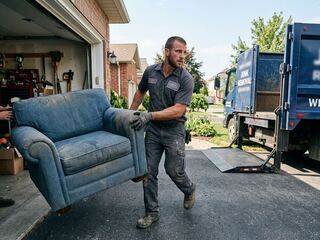
6 possible tasks · typical 5-step process
What it is
This category of service covers the logistics of collecting and transporting non-hazardous building remnants generated during remodeling, structural modifications, or property upgrades. Providers may collect scattered materials, load high-volume remnants into specialized haul vehicles or roll-off receptacles, and transfer loads to regional waste transfer facilities, material recovery operations, or sorting yards. Scopes can address interior rooms, basements, exterior elevations, driveways, or peripheral grounds where remnants gather during construction stages. Typical services center on non-regulated architectural refuse and commonly omit specialized handling of controlled substances such as loose asbestos, chemical liquids, or industrial residues, as well as direct structural teardown operations.
What Construction Debris Removal can include
Drywall and Plaster Hauling
Gathering broken gypsum panels, wallboard trimmings, cured compound residues, plaster lathe pieces, and interior partition cutoffs from project areas.
Lumber and Framing Waste Clearing
Loading raw timber remnants, engineered joist cutoffs, exterior-grade plywood, oriented strand board scraps, floor deck segments, and discarded millwork.
Masonry, Concrete, and Tile Removal
Transporting heavy mineral items such as fractured foundation segments, loose concrete, pavers, architectural stone, brick rubble, mortar droppings, and damaged tile pieces.
Roofing Material Disposal
Taking away detached composition shingles, cedar shakes, metal valley trimmings, bitumen underlayments, composite deck boards, and related exterior coverings.
Fixtures, Flooring, and Cabinetry Cleanout
Hauling discarded millwork assemblies, synthetic or solid timber plank flooring, carpet rolls, underlayment padding, washbasins, plumbing fixtures, and detached vanity units.
Site Sweeping and Fastener Collection
Sweeping primary loading spaces to collect leftover particulate and passing rolling magnets across surfaces to pick up loose nails, hardware, and framing staples.
How the work is typically performed
- 1
On-Site Assessment and Access Staging
Crews review the types and distribution of scrap materials, determine designated entry paths, and place transport vehicles, trailers, or collection bins adjacent to property access areas.
- 2
Material Sorting and Separation
Workers often categorize items into distinct groupings such as untreated wood, scrap metal, dense aggregates, and general trash, which can support organized transit and intake at local receiving stations.
- 3
Heavy Loading and Removal
Laborers load materials by hand or make use of wheelbarrows, rolling containers, and lifting devices to move heavy or bulky refuse into haul vehicles or open containers.
- 4
Post-Removal Cleanup
Staff members generally sweep the loading footprint with brooms to gather loose fragments and may guide magnetic sweeping bars over driveways or staging paths to collect fallen fasteners.
- 5
Hauling and Eco-Friendly Processing
Transport vehicles take packed materials to designated recycling yards, regional processing hubs, or municipal disposal depots depending on the nature of the materials and facility logistics.
Common reasons customers look for this service
- Conclusion of residential kitchen, bathroom, or living area renovation projects
- Transition periods following the stripping of partition framing, floorboards, or interior surfaces
- Accumulation of leftover offcuts and scrap after the installation of new exterior cladding or roofs
- Staging between structural framing phases and the commencement of drywall or finish carpentry
- Finalization of commercial interior alterations, partition realignments, or tenant turnover revisions
About Construction Debris Removal
What condition do materials typically need to be in prior to removal?
Preparation expectations can vary among service providers. Some crews collect loose, scattered piles directly from interior spaces, while others may request that smaller debris be consolidated into bags, bundles, or central drop locations.
What types of materials are typically excluded from general construction debris removal?
Service offerings generally omit regulated or volatile materials such as uncontained asbestos, wet finishes, chemical solvents, liquid fuel, and biohazardous waste, which often follow distinct regional handling channels.
How is dense aggregate material managed compared to lighter construction waste?
Dense items such as stone, brick, concrete, and soil are commonly handled with attention to vehicle load capacities rather than sheer physical volume. Service operators may arrange dedicated containers or individual hauling runs for these heavier loads.
This page provides general information about Construction Debris Removal for reference only. It is not professional, safety, medical, legal or financial advice, and it does not describe the services of any particular provider. Scope, methods and timing vary by provider and situation. Kuldesac does not perform these services; contact a qualified provider directly to discuss your specific needs.