


Rodent Control
Professional rodent control encompasses services aimed at identifying access points, capturing or managing rodent populations, and sealing potential entryways within residential structures and adjacent perimeter spaces.
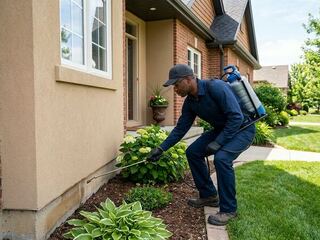
6 possible tasks · typical 4-step process
What it is
Rodent management is a specialized area within property pest maintenance that typically focuses on locating rodent presence, managing population numbers, closing building penetrations, and performing localized remediation. Service coverage frequently extends to indoor living quarters, crawlspaces, basements, wall voids, drop ceilings, attics, and foundation perimeters where rodents find harborage or movement routes. These services generally address small commensal rodents such as house mice, roof rats, and Norway rats, whereas larger wildlife management or extensive building reconstruction typically fall outside the standard scope of general rodent control agreements. Structural repairs, comprehensive insulation replacement, or substantial carpentry work are also usually distinct from baseline pest service packages offered by service providers.
What Rodent Control can include
Thorough Property Inspection
Technicians examine building perimeters, foundation openings, attic spaces, subfloors, and utility conduits to observe potential travel routes, gnawing, droppings, and possible entry gaps throughout the structure.
Structural Exclusion
Service providers can install physical barriers such as wire mesh, metal flashing, or specialized sealant compounds around exterior cracks, vent openings, and pipe penetrations to deter animal transit into indoor spaces.
Targeted Interior Trapping
Trapping setups can include mechanical, electronic, or multi-catch capture devices positioned along interior travel corridors, crawlspaces, attics, or utility access zones where activity has been observed.
Tamper-Resistant Exterior Baiting
Enclosed bait stations may be deployed along exterior walls, foundation perimeters, and surrounding grounds to manage outdoor rodent activity in proximity to the building.
Sanitization and Pheromone Neutralization
Technicians can clear isolated waste deposits, extract trapped specimens, and apply cleaning formulations intended to neutralize natural scent markers left behind by foraging rodents.
Follow-Up Monitoring and Resetting
Subsequent visits can involve inspecting capture devices, replacing depleted materials, assessing exclusion seals, and noting changes in detected activity across the site over time.
How the work is typically performed
- 1
Site Inspection and Species Identification
Technicians review the structure and grounds to detect signs of rodent activity, observe travel routes, and identify the general species category involved.
- 2
Exclusion Barrier Installation
Openings around baseboards, siding seams, utility lines, crawlspace vents, and foundation edges can be sealed using durable, chewing-resistant physical materials.
- 3
Trap and Station Deployment
Capture units and exterior stations are placed in areas such as attics, basements, subfloors, or along exterior walls where rodent traffic has been observed.
- 4
Monitoring, Removal, and Clearance
Technicians return to inspect devices, remove captured rodents, refresh stations, evaluate changes in activity levels, and review the integrity of structural seals.
Common reasons customers look for this service
- Observation of scurrying, squeaking, or scratching sounds within wall cavities, drop ceilings, or overhead attic areas
- Presence of rodent droppings in food storage cabinetry, utility closets, crawlspaces, or basement corners
- Chew marks visible on baseboards, electrical conduit, storage boxes, or structural framing materials
- Gatherings of shredded insulation, paper, or fibrous materials found in less frequented zones of the building
- Visible grease or dark rub marks along floorboards, plumbing runs, or wooden framing members
- Sightings of rodents inside the structure or near exterior foundation walls and entry thresholds
About Rodent Control
What does a rodent control service timeline involve?
A rodent control timeline can vary depending on structure dimensions, the scope of activity, and the specific control strategies deployed. Programs often involve an initial site evaluation followed by subsequent visits to manage capture equipment, replenish bait points, and evaluate exterior exclusion materials over the course of the service plan.
How are traps and bait stations placed and secured?
Technicians typically place exterior bait inside lockable, heavy-duty stations equipped with internal baffles to restrict direct access by non-target animals. Interior capture devices are often set in low-traffic utility areas, attics, drop ceilings, or subfloor spaces along known travel paths.
What is the role of exclusion in rodent management?
Exclusion involves sealing physical gaps, cracks, and structural entries along building perimeters. While interior traps focus on animals already present within the building, exclusion barriers are intended to deter additional rodents from entering the property from outdoor environments.
This page provides general information about Rodent Control for reference only. It is not professional, safety, medical, legal or financial advice, and it does not describe the services of any particular provider. Scope, methods and timing vary by provider and situation. Kuldesac does not perform these services; contact a qualified provider directly to discuss your specific needs.