


Seasonal Tune-Up
A seasonal HVAC tune-up is an informational maintenance inspection, cleaning, and diagnostic service performed by technicians to evaluate heating and cooling equipment ahead of major seasonal weather transitions.
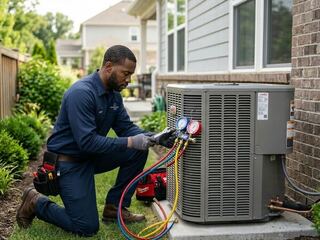
7 possible tasks · typical 5-step process
What it is
A seasonal tune-up typically involves periodic maintenance performed in the spring for cooling systems or the fall for heating equipment to observe electrical, mechanical, and airflow operations. Technicians clean accessible components, check operational switches, observe pressure levels, and note general component condition prior to periods of frequent system use. The scope of this service commonly encompasses basic cleaning, component adjustments, and diagnostics, while excluding major equipment replacement, duct modification, or structural system overhauls.
What Seasonal Tune-Up can include
Electrical Component and Control Testing
Technicians may inspect wiring connections, check capacitor ratings, evaluate contactor surfaces, and record operating voltage and amperage readings across motors and compressors.
Coil and Heat Exchanger Inspection
Technicians typically view indoor evaporator coils, clear surface dust from outdoor condenser coils, and visually inspect accessible surfaces of furnace heat exchangers for signs of soot or wear.
Refrigerant Level and Pressure Verification
Technicians often attach gauge manifolds to evaluate line pressures and observe superheat or subcooling calculations to assess standard operating conditions.
Burner, Ignition, and Flue Diagnostics
For fuel-burning heating systems, technicians can inspect burner assemblies, test electronic ignition components or pilot lights, and observe exhaust venting paths for typical draft conditions.
Airflow and Blower Assembly Servicing
Technicians can inspect blower fan assemblies for dust accumulation, check motor bearings, apply lubricant to designated ports where applicable, and observe static air pressure.
Condensate Drain Line Clearing
Technicians often flush primary condensate drain lines, inspect drain pans for standing moisture, and observe the physical movement of overflow float switches.
Thermostat and Safety Control Calibration
Technicians test communication between the thermostat and equipment, observe cycling responses, and verify that operational limit switches and safety controls engage as designed.
How the work is typically performed
- 1
Initial System Audit and Baseline Run
The technician typically checks the existing air filter, reviews thermostat configurations, starts an operational cycle, and notes baseline temperature differentials and operational sounds.
- 2
Mechanical Cleaning and Physical Inspection
The technician powers down the unit to clean accessible condenser coils, vacuum burner compartments, wipe dust from electrical enclosures, and clear loose debris from cabinet bases.
- 3
Electrical Diagnostics and Component Testing
Using electrical meters, the technician tests wire terminals, measures capacitor microfarads, monitors motor amp draws, and verifies control board voltages against equipment specifications.
- 4
Operational Run and Calibration
The pro operates the system through a full heating or cooling sequence, observing static pressure, monitoring line temperatures, evaluating airflow delivery, and testing control switches.
- 5
System Reporting and Documentation
The technician compiles a summary of the checked components, provides recorded operational metrics, and outlines observations regarding general equipment conditions.
Common reasons customers look for this service
- Preparing cooling equipment ahead of warmer summer months
- Reviewing heating equipment prior to colder winter temperatures
- Noting gradual changes in airflow delivery or cycle frequency across rooms
- Evaluating equipment that has remained inactive over extended off-seasons
- Following property real estate transitions or extended periods of vacancy
- Establishing general documentation of ongoing equipment operating parameters
About Seasonal Tune-Up
What is the operational difference between a spring tune-up and a fall tune-up?
A spring tune-up generally concentrates on cooling components, such as outdoor condensing units, refrigerant pressure checks, and condensate drainage paths. A fall tune-up typically focuses on heating systems, which can involve evaluating combustion chambers, burners, ignition controls, and exhaust venting.
What is typically included regarding air filters and refrigerant levels?
Procedures can vary by provider. Technicians commonly inspect existing air filters and can place client-provided media into the unit. Refrigerant verification usually involves measuring line pressures, while adding refrigerant or repairing system leaks is generally handled as a separate repair service.
How long does a standard seasonal maintenance visit typically take?
A standard seasonal maintenance appointment for a single HVAC system often takes between 45 and 90 minutes. The time required can vary depending on equipment location, system age, accessibility, and the specific diagnostic checklist used by the technician.
This page provides general information about Seasonal Tune-Up for reference only. It is not professional, safety, medical, legal or financial advice, and it does not describe the services of any particular provider. Scope, methods and timing vary by provider and situation. Kuldesac does not perform these services; contact a qualified provider directly to discuss your specific needs.