


Ironing & Pressing
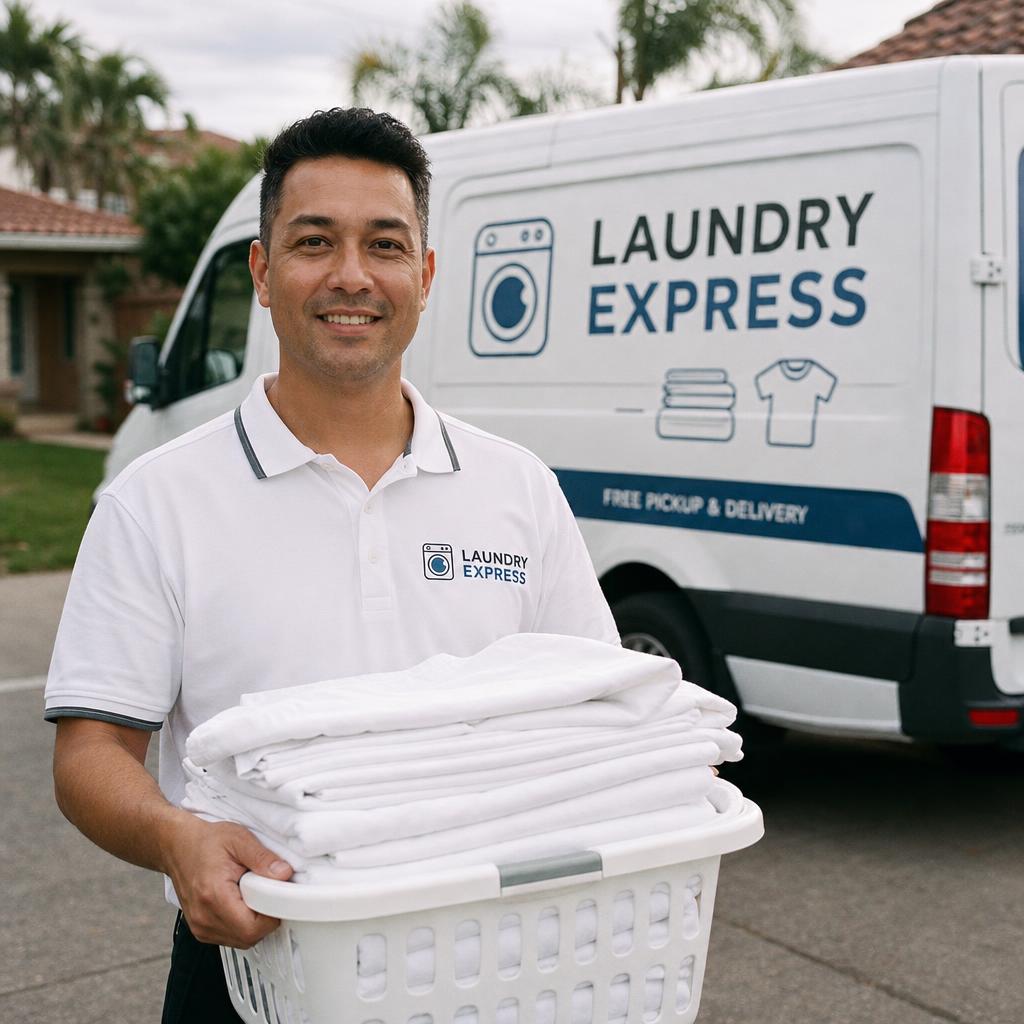
Mobile ironing and pressing services encompass off-site or on-premises smoothing, steaming, and finishing procedures for previously washed garments and domestic textiles.
6 possible tasks · typical 5-step process
What it is
Mobile ironing and pressing services focus on smoothing textiles, creating defined pleats or creases, and managing fabric presentation through thermal and steam tools. These offerings typically address pre-cleaned garments, linens, and domestic textiles, using equipment such as commercial flat irons, tensioning devices, and specialized pressing tables. Providers generally arrange the pickup, treatment, and drop-off of treated items, which are commonly returned folded or mounted on hangers. The service scope centers primarily on wrinkle reduction and textile shaping rather than laundering, stain treatment, wet washing, or structural tailoring adjustments.
What Ironing & Pressing can include
Dress Shirt & Blouse Pressing
Can involve the targeted alignment of cuffs, shaping of collars, flattening of plackets, and overall body smoothing, alongside optional application of sizing or fabric stiffeners depending on provider methods.
Trouser & Slack Creasing
May incorporate the establishment of vertical leg creases, smoothing of waistbands and pockets, and overall fabric relaxing for casual pants, uniform trousers, and formal slacks.
Delicate & Formalwear Steaming
Can feature low-heat thermal smoothing, indirect steaming, or dedicated settings suited for materials like satin, rayon, chiffon, silk, or garments with intricate beadwork and trims.
Bedding & Table Linen Ironing
Often entails flatwork pressing for oversized textiles such as duvet covers, sheets, pillow shams, fabric napkins, runners, and banquet tablecloths.
Suit Jacket & Blazer Finishing
Can encompass steam shaping over torso forms, lapel pressing, and contour setting designed to support garment drape without introducing fabric shine.
Hanger Packaging & Protective Bagging
May involve transferring finished items onto wire or contoured hangers, applying protective poly or paper covers, or packing folded goods in bundles for transport.
How the work is typically performed
- 1
Collection and Fabric Intake
Providers typically receive cleaned articles at a prearranged spot, review manufacturer care tags, and organize items according to fiber composition and appropriate heat tolerances.
- 2
Equipment Calibration
Thermal equipment, steam generators, and vacuum surfaces are typically adjusted to match the requirements of specific textiles, managing temperature and moisture output.
- 3
Systematic Pressing
Garments and textiles are commonly smoothed section by section, frequently utilizing pressing cloths, shoe attachments, or vacuum tables intended to limit surface friction and sheen.
- 4
Cooling and Quality Inspection
Items are generally placed on forms, racks, or stands to permit fibers to cool, followed by a review of crease placement, seam uniformity, and overall smoothness.
- 5
Packaging and Scheduled Return
Treated goods are typically placed into protective packaging or mounted on hangers prior to delivery back to the client location.
Common reasons customers look for this service
- Preparation of professional wardrobes, uniforms, or work attire
- Smoothing textiles ahead of social gatherings, travel, or formal functions
- Pressing oversized linens, sheets, or tablecloths that challenge standard domestic ironing equipment
- Managing natural fibers such as linen, wool, or heavy cottons that readily wrinkle
- Assistance with intricate or delicate garments that call for specialized steam or heat controls
- Delegating recurring home laundry finishing duties to an outside service
About Ironing & Pressing
What garment condition is typically expected prior to an ironing service?
Providers typically require that all textiles arrive cleaned and fully dry. Applying thermal tools to soiled fabrics can cause residue or surface marks to bind to textile fibers, leading services to work strictly with freshly washed goods.
What methods can help limit shine on dark or delicate textiles?
Finishing technicians frequently employ protective iron shoes, damp intermediary cloths, vacuum-assisted ironing surfaces, or reverse-side pressing. These methods are designed to distribute heat and moisture without burnishing surface fibers.
What finishing and creasing preferences can be requested?
Clients often have options regarding trouser creases, sleeve lines, starch intensity, and whether garments are returned folded or suspended on hangers, though available selections depend on the provider.
This page provides general information about Ironing & Pressing for reference only. It is not professional, safety, medical, legal or financial advice, and it does not describe the services of any particular provider. Scope, methods and timing vary by provider and situation. Kuldesac does not perform these services; contact a qualified provider directly to discuss your specific needs.