


Faucet / Fixture Install
Faucet and fixture installation typically involves the mounting, connection, and functional assessment of terminal plumbing components, such as sinks, faucets, and showerheads, connected to existing domestic water supply lines.
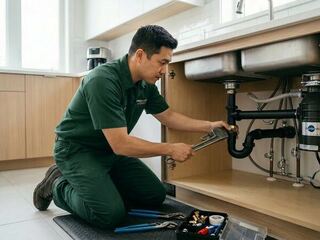
6 possible tasks · typical 5-step process
What it is
Faucet and fixture installation encompasses the physical positioning, water supply integration, and localized drainage connection for kitchen, bathroom, and utility room plumbing fittings. Service visits of this type can involve assembling hardware, fitting flexible supply lines, applying sealants around fixture contact points, and operating local shutoff valves. Projects typically interface with existing utility connections rather than modifying behind-the-wall supply pipes, reconfiguring primary drain stacks, or carrying out structural carpentry and cabinet modifications. Exact project parameters often vary depending on fixture designs, counter materials, and existing plumbing configurations.
What Faucet / Fixture Install can include
Kitchen and Bathroom Faucet Installation
Can include positioning and securing single-hole, widespread, center-set, pull-down, or wall-mount faucet assemblies to counter decks or basins, alongside connecting flexible lines to local hot and cold supply stops.
Sink Basin and Vanity Fixture Mounting
Can encompass setting drop-in, undermount, or vessel sinks onto prepared cabinetry, applying perimeter sealants or gaskets, and affixing mechanical retaining clips or support brackets beneath the basin rim.
Showerhead and Tub Spout Replacement
Can involve threading, sealing, and mounting fixed showerheads, handheld spray wands, rainfall units, slide bars, and diverter tub spouts onto preexisting threaded wall supply fittings.
Supply Line and Shutoff Valve Replacement
Can include removing aged or stiff supply tubes, fitting braided flexible risers, and updating local quarter-turn or multi-turn stop valves connected to incoming supply lines.
Drain Assembly and P-Trap Connection
Can cover positioning pop-up stoppers, strainer bodies, sink tailpieces, and mechanical slip-joint P-traps that direct drainage into the rough-in waste outlet.
Specialty Fixture and Dispenser Hookup
Can involve integrating auxiliary countertop accessories, such as secondary beverage taps, filtration spouts, integrated soap pumps, and supplemental wash or bidet fittings attached to existing supplies.
How the work is typically performed
- 1
Site Inspection and Water Isolation
The workspace is evaluated for dimensional alignment, mounting clearance, and component fit. Local shutoff stops or secondary isolation valves are typically closed to discontinue localized flow while work is underway.
- 2
Hardware Removal and Surface Preparation
Existing fixtures, fastening nuts, aged putty, and deteriorated sealant layers are detached from mounting decks, allowing the contact surface to be cleared of residue prior to new placement.
- 3
Fixture Placement and Mechanical Anchoring
The new fixture is placed into the mounting aperture, oriented according to manufacturer specifications, and anchored underneath using base rings, friction washers, and threaded retainers.
- 4
Plumbing Line and Drain Integration
Flexible hot and cold riser tubes are connected between the fixture body and the isolation valves, while waste hardware—including tailpieces and trap assemblies—is mechanically secured.
- 5
Flushing, Pressure Testing, and Inspection
Water flow is reintroduced through the supply stops, aerators may be temporarily set aside to allow factory debris to clear, and threaded fittings are visually observed under standard operational line pressure.
Common reasons customers look for this service
- Aesthetic or functional updates during residential kitchen, bathroom, or laundry room renovations
- Transitioning to fixtures with alternate operational profiles, such as touchless or high-arc designs
- Addressing surface deterioration, extensive mineral accumulation, or localized mechanical wear on older fittings
- Accommodating changes in basin dimensions, countertop materials, or vanity configurations
- Standard hardware updates following prolonged service life or component changes
About Faucet / Fixture Install
How is fixture procurement typically handled for an installation service?
Arrangements depend on the provider and property owner. In many cases, property owners select and supply the visible fixture to align with stylistic preferences, while secondary consumables—such as flexible riser lines, adapters, thread tape, and trap fittings—may be provided as part of the service package.
How are aged or non-functioning shutoff valves typically addressed during installation?
When localized stops do not isolate flow or exhibit mechanical wear, providers typically turn to broader isolation valves to depressurize the branch, allowing individual stop valves to be addressed or exchanged as part of the broader fixture service.
How are single-hole faucets adapted to basins with multiple mounting holes?
Fittings designed for single-hole installations often integrate with optional deck plates, also known as escutcheons, which span standard three-hole openings to provide a uniform base over unutilized deck apertures.
This page provides general information about Faucet / Fixture Install for reference only. It is not professional, safety, medical, legal or financial advice, and it does not describe the services of any particular provider. Scope, methods and timing vary by provider and situation. Kuldesac does not perform these services; contact a qualified provider directly to discuss your specific needs.