


Water Damage Restoration Services
Water damage restoration is a service that involves removing excess moisture, drying affected building structures, and repairing areas impacted by leaks, weather events, or plumbing issues.
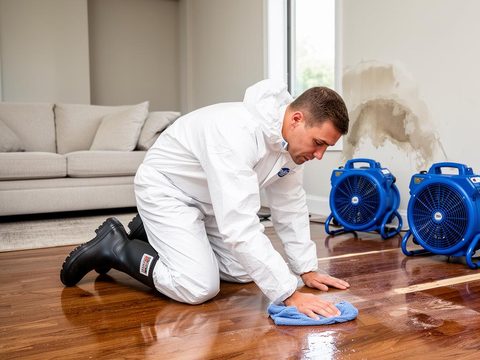
4 services · typical 5-step process
What it is
Water damage restoration encompasses the evaluation, drying, sanitization, and structural stabilization of properties affected by moisture intrusion. Service providers often utilize moisture detection devices, extraction machinery, and commercial dehumidifiers designed to assist with water removal and moisture control. The general scope of work can range from initial water evacuation and drying assessment to component cleaning and structural rebuilding, depending on the circumstances of the property.
Services that can fall within Water Damage Restoration
Emergency Water Extraction
This service component involves the mechanical removal of standing surface water using submersible pumps, vacuum systems, or extraction units. Technicians may focus on extracting water from carpets, padding, and subflooring, which can help facilitate the subsequent drying of porous building materials.
Learn moreFlood Cleanup
Flood cleanup involves addressing water intrusions resulting from weather events, ground runoff, or rising water that bring silt, soil, or contaminants into an interior space. The process can include clearing debris, washing surfaces with cleaning or antimicrobial agents, and removing porous materials such as saturated drywall or insulation.
Learn moreMold Remediation
Mold remediation focuses on managing fungal presence that can appear following moisture intrusion into building cavities or materials. Work may involve setting up containment barriers, utilizing air filtration equipment, and cleaning or removing affected structural elements or surfaces.
Learn moreBurst Pipe Cleanup
Burst pipe cleanup involves addressing water releases caused by plumbing line breaks, frozen pipes, or fixture failures. Service providers typically identify the affected areas, open wall or ceiling cavities to access trapped water when needed, and position air movement systems to dry structural framing.
Learn more
How the work is typically performed
- 1
Moisture Assessment and Inspection
Technicians evaluate the affected areas using moisture meters, thermal imaging tools, or hygrometers to trace water migration paths and establish initial baseline readings.
- 2
Water Extraction and Removal
Service teams utilize pumps, commercial extractors, or wet vacuums to remove pools of standing liquid from flooring, basements, or crawl spaces.
- 3
Structural Drying and Dehumidification
Air movers and dehumidification equipment are typically placed throughout the affected area to encourage moisture evaporation from framing, flooring, and other porous structural components.
- 4
Sanitization and Antimicrobial Application
Exposed materials may be cleaned, and antimicrobial solutions or air-filtering equipment can be used to treat surfaces and address general odors in the space.
- 5
Monitoring and Final Repairs
Technicians periodically check moisture levels to monitor the drying progress, followed by the repair or replacement of damaged items like drywall, trim, or flooring as agreed upon in the service plan.
Common reasons customers look for this service
- Water accumulation resulting from plumbing breaks, pipe freeze events, or supply line leaks
- Moisture intrusion entering interior spaces following ground runoff or severe weather conditions
- Water overflow incidents involving residential appliances such as washing machines, water heaters, or dishwashers
- Visible signs of moisture exposure, including peeling paint, drywall discoloration, or flooring distortion
- Damp smells or elevated indoor humidity associated with unaddressed water pockets
About Water Damage Restoration
How long does the structural drying process typically take?
The duration of structural drying can vary significantly depending on factors such as the total volume of water, the types of building materials affected, and local humidity levels. In many instances, the process spans several days, during which technicians take periodic moisture readings to monitor conditions.
What factors influence whether materials are dried or replaced during restoration?
Decisions regarding whether materials can be dried or require replacement typically depend on the material type, the water category, and the duration of exposure. Non-porous surfaces can often be dried and sanitized, while porous components like drywall, carpet padding, or fiberglass insulation are frequently removed if deeply impacted.
What is the purpose of using dehumidifiers alongside water extraction equipment?
While physical extraction removes standing water from surface areas, moisture can remain trapped inside porous building components such as wall studs, subflooring, and concrete. Dehumidifiers are designed to extract moisture vapor from the air as it evaporates, which supports the ongoing drying of structural assemblies.
This page provides general information about Water Damage Restoration for reference only. It is not professional, safety, medical, legal or financial advice, and it does not describe the services of any particular provider. Scope, methods and timing vary by provider and situation. Kuldesac does not perform these services; contact a qualified provider directly to discuss your specific needs.