


Ceramic Coating
Ceramic coating refers to the application of a liquid polymer to vehicle exterior surfaces, which can establish a semi-permanent hydrophobic barrier over factory clear coat.
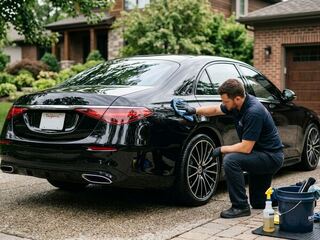
6 possible tasks · typical 5-step process
What it is
Ceramic coating services generally encompass multi-stage exterior surface decontamination, mechanical paint refinement, and the manual application of silica, ceramic, or polysilazane liquid mixtures. These formulations are designed to bond with exterior clear coat, paint, trim, and wheel materials. The process is intended to assist in shielding surfaces against exposure to elements such as sun exposure, road salts, airborne chemical fallout, and organic deposits, while imparting water-repellent properties and surface gloss. Ceramic applications are generally distinct from clear coat repair and do not substitute for ongoing cleaning routines.
What Ceramic Coating can include
Decontamination Hand Wash
Surfaces are washed with specialized automotive soaps, often paired with chemical fallout agents intended to loosen metallic dust, alongside detailing clay meant to collect embedded exterior residue.
Machine Paint Correction
Polishing equipment paired with abrasive compounds and foam or microfiber pads can be utilized to diminish superficial swirls, light scratches, and wash marks prior to coating.
Panel Wipe Solvent Prep
Exterior panels are wiped with isopropyl alcohol mixtures or dedicated pre-coating cleansers intended to dissolve polishing oils, residues, or fillers to prepare bare clear coat for product contact.
Ceramic Coating Application
Liquid formulations are distributed manually across individual sections using applicator blocks and specialized cloths, often utilizing cross-hatch movement patterns to promote uniform coverage.
Leveling and Flash Inspection
After solvents begin to flash off, technicians buff the product using microfiber cloths under high-intensity lighting, which helps smooth out high spots, streaking, or concentrated product build-up.
Wheel and Glass Coating
Formulations tailored for elevated temperatures or transparent glass surfaces can be added to wheel faces and windows to assist with water runoff and regular washing.
How the work is typically performed
- 1
Washing and Decontamination
Exterior panels undergo hand washing along with chemical and physical decontamination steps designed to dislodge road film, tar, and bonded particulate matter.
- 2
Paint Inspection and Correction
Clear coat thickness may be evaluated using digital gauges, followed by multi-stage or single-stage machine polishing aimed at refining surface imperfections and dullness.
- 3
Chemical Stripping
Surfaces receive an application of solvent-based preparation sprays to clear away lingering polishing lubricants, exposing the underlying finish for coating contact.
- 4
Coating Application and Leveling
The liquid coating is applied in manageable sections. Following a brief dwell period based on ambient conditions, clean microfiber towels are used to level out excess material.
- 5
Initial Curing Stage
Vehicles typically remain sheltered indoors during initial drying, allowing the liquid layer to set away from ambient precipitation or airborne particulates.
Common reasons customers look for this service
- Observation of diminished water sheeting or beading across exterior body panels during precipitation or washing
- Visible swirl patterns, light surface marring, or general lack of clarity within the clear coat
- Vehicle acquisitions where an owner explores an added layer over original factory paint
- Frequent vehicle travel or parking in areas with tree sap, bird droppings, industrial fallout, or winter road treatments
- Preference for hydrophobic surface qualities that can simplify regular exterior cleaning routines
About Ceramic Coating
What variables can affect the performance of a ceramic coating?
Performance can depend on the underlying product chemistry, environmental exposure, local climate, parking arrangements, vehicle usage patterns, and the cleaning methods utilized.
Why is surface polishing commonly performed prior to coating application?
Because ceramic coatings dry clear and form an adherent bond directly over the exterior finish, underlying blemishes like swirls, faint scratches, or etching can remain noticeable. Mechanical polishing is commonly employed beforehand to refine the clear coat.
What does typical upkeep for a ceramic-coated vehicle entail?
Upkeep frequently includes hand washing with pH-neutral automotive soaps and clean microfiber mitts or towels. Procedures can vary depending on manufacturer guidelines and provider practices.
This page provides general information about Ceramic Coating for reference only. It is not professional, safety, medical, legal or financial advice, and it does not describe the services of any particular provider. Scope, methods and timing vary by provider and situation. Kuldesac does not perform these services; contact a qualified provider directly to discuss your specific needs.