


Home Health Aide / Personal Care
Home health aide support involves non-clinical, supportive personal care and assistance with routine household activities for individuals seeking day-to-day assistance in a residential setting.
7 possible tasks · typical 4-step process
What it is
Home health aide and companion services generally encompass non-medical support for day-to-day living activities and basic household management. Depending on individual arrangements and service outlines, aides can provide physical assistance with everyday routines, which often includes personal grooming, dressing, basic transfers, meal arrangement, and general household companionship. These non-clinical roles do not encompass clinical interventions, professional diagnostic assessments, medical decision-making, physical therapy design, complex dressing applications, or invasive clinical monitoring, which belong to specialized medical or clinical domains.
What Home Health Aide / Personal Care can include
Bathing and Personal Hygiene
Assistance can include hands-on help with standard showers, tub access, or sponge bathing, as well as routine oral hygiene, hair brushing, washing, simple nail filing, shaving with electric or standard razors, and application of routine skin lotions.
Dressing and Grooming
Support can involve selecting everyday garments, putting on or taking off clothing, buttoning, fastening zippers, fitting specialized footwear, and assisting with non-prescription support stockings or basic adaptive apparel.
Mobility and Transfer Assistance
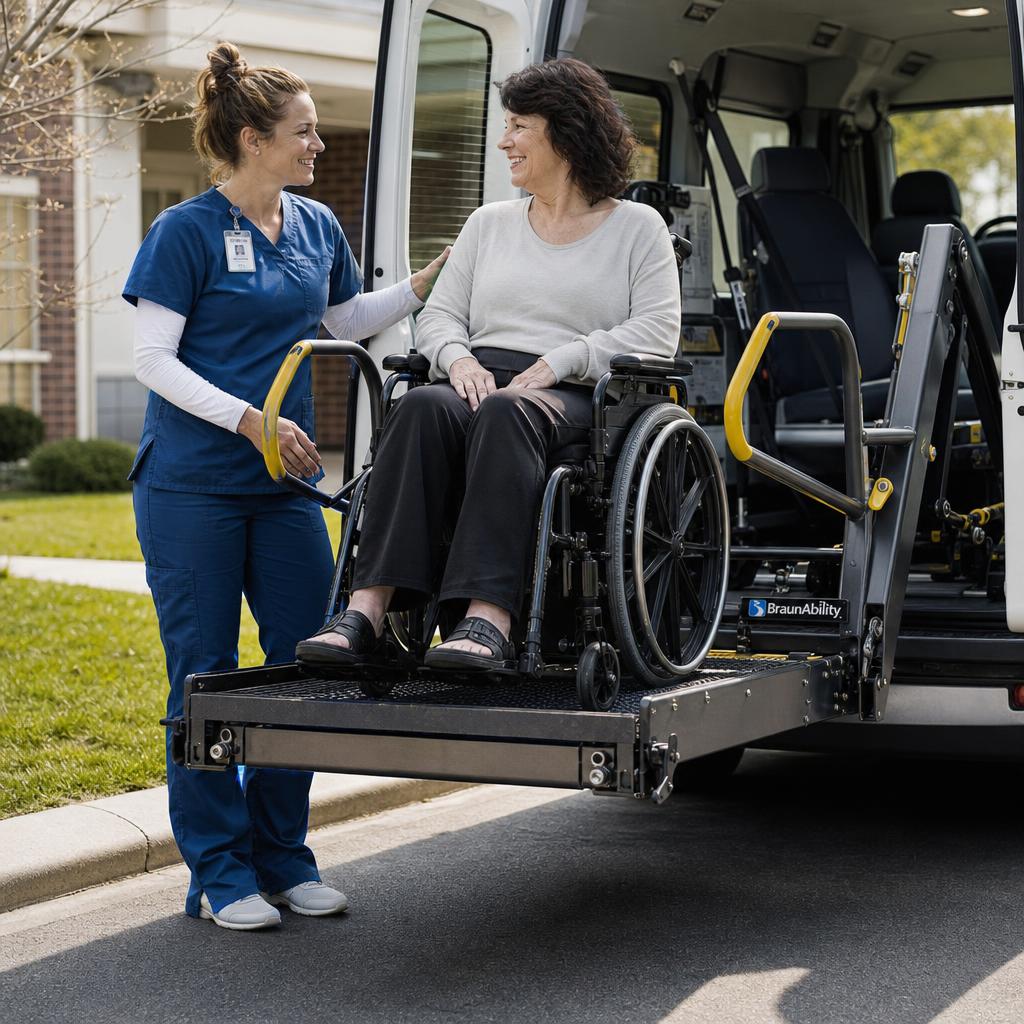
Services may include physical stability support during repositioning, moving between seating, wheelchairs, beds, or upright postures, utilizing household transfer aids such as pivot discs or mechanical lifters, and walking alongside individuals indoors.
Toileting and Incontinence Care
Assistance can entail help accessing restroom facilities, utilizing commodes, handling routine personal sanitation, changing disposable undergarments, and emptying collection receptacles without medical manipulation.
Meal Preparation and Nutritional Support
Support typically includes basic meal planning according to personal household preferences, cooking straightforward dishes, offering gentle guidance during meal consumption when requested, and recording basic beverage or meal completion notes.
Medication Reminders
Services can involve verbal cueing according to a established routine, reading text on designated pill containers, and handing pre-arranged organizer boxes to individuals for independent intake.
Environmental Safety and Light Homemaking
Aides can tidy primary living areas, wash everyday clothing and bed textiles, clear foot traffic areas within rooms, wash dishes, and maintain general order throughout common living and food prep quarters.
How the work is typically performed
- 1
Care Plan Review and Intake
The service agency or independent provider typically reviews individual service requests, notes identified personal preferences, outlines general areas of daily physical assistance, and gathers primary household contact details.
- 2
Environment and Equipment Check
The aide can walk through primary residential rooms to note furniture layouts, confirm the locations of customer-supplied assistive tools such as walkers or bath seats, and organize grooming or personal supplies in accessible locations.
- 3
Hands-On Care Delivery
Assistance is performed based on mutually agreed daily outlines, which may involve personal hygiene support, clothing changes, physical transfers, meal creation, and light domestic upkeep.
- 4
Observation and Task Logging
The aide often completes routine shift documentation, recording finished personal care activities, basic meals consumed, general functional observations, and task notes for the service agency or family records.
Common reasons customers look for this service
- Interest in daily hands-on help with bathing, clothing, and general morning or evening personal routines
- Return to a private residence following an extended period in an institutional or residential facility
- Desire for regular physical transfer assistance between beds, chairs, and household rooms
- Changes in personal comfort levels regarding independent mobility around the interior living space
- Family or informal caregivers seeking supplemental daytime or evening support to share routine caregiving duties
About Home Health Aide / Personal Care
What distinguishes home health aide services from skilled nursing services?
Home health aides typically provide non-clinical, functional assistance with daily physical tasks like bathing, dressing, meal preparation, and indoor mobility. In contrast, skilled nursing involves clinical medical care, such as medication administration, wound care management, clinical monitoring, and specialized treatment implementation under medical directives.
How can medication reminders be incorporated into home health aide visits?
Medication reminders provided by non-clinical aides generally consist of verbal prompts, reviewing calendar cues, or handing a client a pre-sorted organizer. Aides typically do not measure dosages, calculate prescription amounts, adjust medical devices, or administer clinical treatments, though exact boundaries depend on the provider and jurisdiction.
What equipment and materials are typically provided for personal aide visits?
Everyday personal care items such as towels, cleansers, skin care products, and linens are commonly supplied by the household. Assistive items like transfer boards, walkers, rollators, bath chairs, and specialized lifting devices are also typically arranged or owned by the household, though specific arrangements can vary depending on the provider.
This page provides general information about Home Health Aide / Personal Care for reference only. It is not professional, safety, medical, legal or financial advice, and it does not describe the services of any particular provider. Scope, methods and timing vary by provider and situation. Kuldesac does not perform these services; contact a qualified provider directly to discuss your specific needs.
More Mobile Health Services services
- Non-Emergency Medical Transport
- Wheelchair / Stretcher Transport
- Senior Companion Transport
- In-Home Nursing Visit
- Mobile Blood Draw / Phlebotomy
- Mobile IV Hydration Therapy
- Mobile Vaccinations & Flu Shots
- Mobile Covid / Lab Testing
- In-Home Physical Therapy
- In-Home Occupational Therapy
- Post-Surgery / Recovery Care
- Hospice Support Visits
- Wound Care Visit
- Medication Management Visit
- Mobile Chiropractic
- Mobile Massage Therapy
- Mobile Foot / Nail Care
- Mobile Dental / Hygiene
- Bedside Medical Notary