


Auto Lockout / Key Fob
Informational overview of automotive entry options, physical key fabrication, and digital transponder pairing procedures performed by mobile automotive locksmiths for passenger and commercial vehicles.
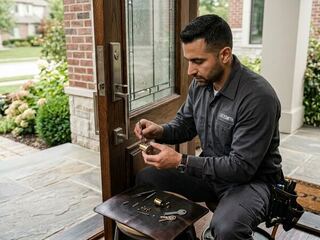
6 possible tasks · typical 5-step process
What it is
Automotive locksmith services generally focus on providing cabin access, cutting mechanical replacement keys, and configuring digital components like transponders, remote transmitters, and proximity fobs. Typical service scopes encompass assistance with locked compartments, extraction of damaged mechanical key components, and vehicle immobilizer pairing via specialized electronic interfaces. Technicians frequently manage edge-cut designs, internal wave tracks, and high-security key profiles across various vehicle models. These services generally do not extend to broader mechanical repairs, engine bay diagnostics, starter motor servicing, or electrical wiring work outside the immobilizer and entry hardware.
What Auto Lockout / Key Fob can include
Non-Destructive Door Opening
Methods aimed at manipulating vehicle door locks using automotive tension tools, specialized picks, or inflatable wedges alongside reach tools, designed to bypass latches without altering window seals, interior panels, or lock linkages.
Key Fob and Transponder Programming
Procedures involving specialized diagnostic devices connected to a vehicle's data network to register proximity smart fobs, chip keys, and remote control transmitters to the immobilizer control unit.
Laser and High-Security Key Cutting
The shaping of sidewinder, laser-cut, or traditional mechanical keys using specialized mechanical or automated cutting equipment based on factory bitting specifications or cylinder readings.
Trunk and Cargo Lockout Access
Techniques employed to open rear storage compartments, secondary cargo sections, or utility enclosures when internal release switches, electronic buttons, or primary keys are inaccessible.
Broken Key Extraction
The removal of snapped, twisted, or sheared key fragments from door lock assemblies, trunk cylinders, or ignition housings using specialized extraction tools, spiral picks, and miniature hook implements.
Key Fob Shell and Battery Replacement
Disassembly of existing electronic key casings to install fresh coin-cell power units, inspect contact points, or transfer functional microchips and transponder circuits into new outer shells.
How the work is typically performed
- 1
Vehicle Ownership Verification
Technicians commonly review documentation such as vehicle registrations or title paperwork alongside photo identification before commencing entry or key generation procedures.
- 2
Entry Bypass or Cylinder Decoding
Service providers often employ dedicated bypass devices or optical scopes to read internal tumbler alignments and decode mechanical depths directly from the lock cylinder.
- 3
Key Milling and Code Cutting
Using decoded tooth arrangements or manufacturer key codes, technicians typically configure automated milling machines inside mobile service vehicles to produce functional replacement blades.
- 4
OBD-II System Pairing
Specialized programming hardware is commonly connected to the vehicle's onboard communication port to register new transponder chips or remote transmitter codes into vehicle memory.
- 5
Functional Testing and Hand-Off
The technician typically tests the cut blade in the exterior door locks and ignition cylinder, confirms remote transmitter responses, and verifies engine start functionality.
Common reasons customers look for this service
- Presence of vehicle keys inside a closed passenger compartment, cargo area, or trunk
- Unavailability of primary or secondary vehicle keys with an interest in obtaining replacements
- Instances where handheld keyless transmitters fail to toggle door locks or activate push-button starters
- Physical key blades that have warped, cracked, or fractured inside an ignition switch or exterior lock
- A dashboard immobilizer display remaining illuminated during ignition startup attempts
- Desire to obtain spare mechanical keys, companion transponder units, or supplementary proximity fobs
About Auto Lockout / Key Fob
What techniques can be used to gain access to a locked vehicle?
Technicians typically evaluate the make, model, and year of the automobile to select a suitable approach. Procedures can involve utilizing automotive lock picks to manipulate lock wafers, inserting delicate air bladders to create a minor gap along the window frame for reach tools, or using specialized tools to access interior latch mechanisms. The specific technique chosen often depends on window seal construction, door frame designs, and the arrangement of internal locking rods.
How is transponder and smart key programming typically carried out?
Programming usually involves interfacing with the vehicle's onboard diagnostic connector using dedicated programming hardware. The technician accesses the immobilizer module, which can involve reading security codes, clearing old key records from memory, and synchronizing the new transponder chip or smart fob. Some vehicle models also accommodate manual onboard sequence programming, though modern electronic security architectures often involve direct diagnostic computer interaction.
What factors can influence the process of generating a replacement car key?
Procedures can depend on the key style, vehicle manufacturer specifications, and whether an existing functional key is present for duplication. Standard mechanical keys often involve straightforward code cutting or tracing, whereas high-security laser-cut keys or proximity smart fobs require specialized cutting equipment and electronic synchronizing steps. The configuration of the immobilizer module and manufacturer anti-theft protocols can also shape the overall complexity of the pairing process.
This page provides general information about Auto Lockout / Key Fob for reference only. It is not professional, safety, medical, legal or financial advice, and it does not describe the services of any particular provider. Scope, methods and timing vary by provider and situation. Kuldesac does not perform these services; contact a qualified provider directly to discuss your specific needs.