


General Junk Removal
General junk removal refers to the hauling, transport, and off-site distribution of unwanted non-hazardous personal property, bulk goods, and general debris from residential, commercial, or outdoor locations.
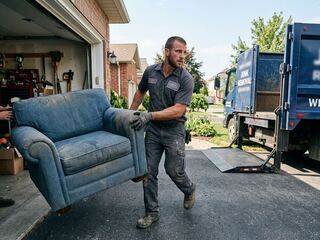
6 possible tasks · typical 5-step process
What it is
This service typically centers on the manual retrieval and vehicular hauling of discarded items, miscellaneous clutter, and oversized belongings from properties. Field personnel generally handle the physical movement of unwanted objects out of residential quarters, commercial suites, outbuildings, or exterior grounds, followed by placement into transport vehicles. Items addressed frequently range from bulky interior furnishings and major kitchen or laundry machinery to boxed storage overflow and yard remnants. Standard offerings generally exclude specialized handling for liquid chemicals, bio-contaminants, radioactive elements, fuel canisters, asbestos-bearing construction supplies, or materials originating from structural demolition projects.
What General Junk Removal can include
Furniture and Mattress Removal
Hauling teams can manage the extraction and loading of heavy seating, tables, cabinetry, bed frames, box springs, and mattresses, retrieving these bulky pieces directly from indoor rooms, upper levels, or basements.
Appliance Hauling and Recycling
Technicians can extract disused domestic or office units such as freezers, dishwashing machines, laundry dryers, stoves, and microwave ovens, transferring them to processing facilities or secondary material collectors.
Storage Area Cleanouts
Crews can empty accumulated boxes, disorganized home goods, superseded tools, and inactive sporting items from attics, below-ground basements, detached sheds, utility spaces, and vehicle garages.
Yard Waste and Exterior Debris Clearing
Field teams can gather and load plant trimmings, loose timber, discarded exterior fencing panels, degraded outdoor patio sets, and other non-organic detritus scattered across open grounds.
Electronics and E-Waste Disposal
Personnel can haul obsolete technology including computer towers, peripheral displays, printers, sound components, and television sets, moving them toward electronic component recycling streams.
Move-In and Move-Out Debris Cleanout
Providers can extract leftover shipping containers, abandoned property elements, discarded packaging, and residual clutter associated with residential property transitions, commercial turnover, or staging preparation.
How the work is typically performed
- 1
On-Site Assessment
Personnel evaluate the designated load volume, note unusual dimensions or cargo density, examine pathways such as doorways or staircases, and verify appropriate vehicle staging options.
- 2
Item Retrieval and Handling
Workers manually navigate designated objects through interior halls, staircases, and exterior thresholds, frequently utilizing tools such as wheeled dollies, hand carts, or lifting straps to facilitate conveyance.
- 3
Vehicle Stacking and Packing
Teams position materials into a transport truck or trailer box, occasionally reducing modular units or sectional furniture to fit the cargo bay and fastening loose goods for travel.
- 4
Area Sweeping and Review
Upon concluding collection, crews often execute a surface sweep of remaining dust, light dirt, or minor packing remnants across the staging perimeter before checking completed locations with the site contact.
- 5
Routing and Final Drop-Off
Carriers transfer the cargo toward designated destinations, which can involve nonprofit intake sites for functional goods, specialized reclamation hubs for metals or electronics, or regional solid waste handling facilities.
Common reasons customers look for this service
- Arranging residential estates or commercial properties prior to sale, lease transitions, or staging activities
- Disposing of bulk household elements or oversized fixtures that exceed standard local curbside pickup limits
- Organizing spaces during personal relocations, downsizing periods, or structural reconfigurations
- Clearing underutilized floor area across secondary spaces like attics, crawlspaces, garages, or storage structures
- Removing accumulated corrugated cardboard boxes, packaging filler, and unwanted materials generated during interior updates
About General Junk Removal
What locations on a property can items be retrieved from?
Junk removal providers can often extract items directly from interior spaces, such as basements, attics, upper-floor rooms, detached outbuildings, or backyards, though exact accessibility limits can vary depending on the provider and property layout.
What categories of items are generally excluded from removal services?
General hauling services typically exclude regulated hazardous substances, including automotive fluids, wet paints, concentrated cleaners, pressurized gas canisters, medical waste, and asbestos-containing materials, which typically involve distinct specialty disposal channels.
How is the destination of hauled items typically determined?
Dispersal pathways depend on the provider, local infrastructure, and the nature of the materials. Usable household goods are often delivered to charitable groups, recyclable scrap and electronic components are frequently brought to recovery processors, and non-recyclable goods are routed to municipal handling facilities.
This page provides general information about General Junk Removal for reference only. It is not professional, safety, medical, legal or financial advice, and it does not describe the services of any particular provider. Scope, methods and timing vary by provider and situation. Kuldesac does not perform these services; contact a qualified provider directly to discuss your specific needs.