


Septic Inspection
A septic inspection involves an observational evaluation of an on-site wastewater management setup, commonly examining tank enclosures, internal fluid distribution, and accessible portions of the soil treatment area.
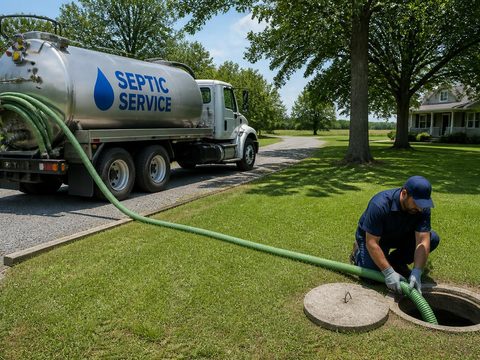
6 possible tasks · typical 5-step process
What it is
A septic inspection generally entails an examination of decentralized wastewater treatment elements, which may encompass transport conduits, storage chambers, interior flow deflectors, mechanical screening accessories, and the designated soil dispersal zone. The procedure typically centers on recording the current physical state of accessible components and reviewing how liquid navigates through accessible pathways. Findings gathered during an assessment typically focus on present physical conditions rather than providing maintenance pumping, ongoing servicing, or extensive subterranean excavations.
What Septic Inspection can include
Tank Structural Integrity Assessment
Evaluators can access surface-level covers or excavated openings to visually observe the exterior and interior walls of concrete, plastic, or fiberglass reservoirs for structural wear, fractures, or shifts in positioning.
Sludge and Scum Layer Measurement
Service personnel may use specialized measuring devices to record the estimated thickness of settled solids near the bottom and buoyant layers near the top of the fluid column.
Inlet and Outlet Baffle Evaluation
Assessments can include observing the positioning of structural inlet and outlet fixtures to verify attachment status and check for physical obstructions or visible wear.
Effluent Filter Inspection and Cleaning
Where filtration assemblies are installed at the tank discharge point, technicians can extract the filter component to review material accumulation, perform water rinsing, and observe the condition of the screen.
Distribution Box and Flow Balancing Check
Field visits can involve locating the junction box that directs wastewater into lateral lines, observing its alignment, physical stability, and how liquid passes into individual absorption paths.
Drainfield Absorption Zone Survey
Examiners commonly walk the perimeter of the dispersal area to observe soil moisture, unusual grass density, surface pooling, or visible ground depressions above underground lines.
How the work is typically performed
- 1
Component Location and Uncovering
Personnel can use ground probes, electronic locators, or existing site diagrams to identify buried storage tanks, distribution points, and connecting pipes, followed by displacing overlying soil if risers are absent.
- 2
Hydraulic Flow Testing
Water introduction from building plumbing allows observers to track the passage of liquid into the tank entry portal and monitor how the system manages incoming volume.
- 3
Chamber and Layer Analysis
The technician inspects accessible tank compartments, measures relative accumulations of floating and settled material, and notes liquid line heights along the tank perimeter.
- 4
Drainfield and Subsurface Probing
The ground absorption field is evaluated through surface walkovers and manual soil probing to observe relative dampness and general soil consistency throughout the dispersal footprint.
- 5
Technical Findings Documentation
The service technician drafts an informational summary outlining the observable condition of inspected hardware, measured depths of tank layers, and noted surface observations at the time of the review.
Common reasons customers look for this service
- Property purchase, transfer, or refinancing evaluations involving on-site wastewater infrastructure
- Historical documentation updates for older or undocumented private wastewater systems
- Changes in interior drainage patterns or alterations in how plumbing fixtures discharge
- Presence of unusual ground moisture, standing water, or localized odors near underground infrastructure
- Planning phases for structural remodeling, landscape redesigns, or ground disturbance near subsurface components
About Septic Inspection
What is typically involved regarding tank pumping during an inspection?
Septic inspections focus primarily on observing the system under current operational depths and do not routinely include evacuation of tank contents. Depending on site conditions, an evaluator might note that pumping could facilitate a more direct visual view of interior surfaces, which is typically handled as a distinct service.
What factors can influence how long an inspection takes?
The duration of an inspection can vary depending on system depth, whether tank covers are accessible at ground level or require manual digging, the layout of the property, and the overall complexity of the wastewater components.
What distinguishes a visual inspection from an intrusive evaluation?
A visual inspection typically centers on viewing surface elements and observing interior fixture discharge without excavation. A more comprehensive evaluation can involve opening buried tank compartments, taking depth measurements of internal layers, and examining distribution hardware.
This page provides general information about Septic Inspection for reference only. It is not professional, safety, medical, legal or financial advice, and it does not describe the services of any particular provider. Scope, methods and timing vary by provider and situation. Kuldesac does not perform these services; contact a qualified provider directly to discuss your specific needs.