


Roof Inspection
A roof inspection is a visual and physical assessment of an existing roofing system, typically evaluating roof coverings, structural elements, flashing, and drainage components.
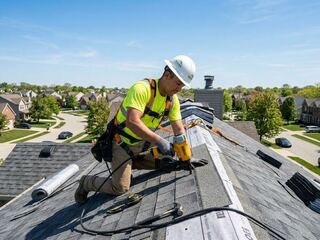
6 possible tasks · typical 5-step process
What it is
A roof inspection generally involves an evaluation of roof coverings, flashing details, drainage components, and accessible attic ventilation or decking. The scope can include reviewing visible wear, weathering, or potential points of water intrusion. Providers generally do not perform structural repairs, material tear-offs, or engineering redesigns as part of a basic visual inspection, though findings may outline conditions observed at the time of the visit.
What Roof Inspection can include
Surface Material Evaluation
Inspectors can examine shingles, tiles, metal panels, or membrane systems for signs of displacement, cracking, surface loss, or general weathering.
Flashing and Sealant Check
Assessments often involve reviewing flashing assemblies around chimneys, valleys, vent pipes, dormers, and vertical transitions for corrosion, gaps, or sealant deterioration.
Gutter and Drainage Inspection
Technicians can review gutters, downspouts, and drainage scuppers to check attachment points, general alignment, and the presence of accumulated debris or sediment.
Attic and Underside Assessment
Inspections may encompass reviewing accessible attic areas to observe the condition of roof decking, support framing, visible moisture patterns, and ventilation pathways.
Soffit and Fascia Examination
Evaluations frequently cover exterior overhangs, fascia boards, and soffit vents to document visible weathering, material separation, or openings.
Penetration and Skylight Sealing Review
Inspectors can inspect seals, raised curbs, rubber boots, and counter-flashing around rooftop penetrations, skylights, and vent openings for material wear.
How the work is typically performed
- 1
Initial History and Visual Ground Survey
The inspector may gather general information regarding property history and view the perimeter from ground level to observe general alignments and visible exterior surfaces.
- 2
Direct Surface and Material Examination
The provider may access the roof surface or use remote camera equipment to visually evaluate materials, seams, valleys, and specific wear patterns.
- 3
Flashing and Penetration Assessment
Transition points, seams, flashing details, and penetration collars are typically observed to check for gaps, separation, or degrading materials.
- 4
Attic Space and Decking Diagnostics
Where accessible, interior roof spaces can be observed to document the condition of rafters, trusses, sheathing, and existing insulation layers.
- 5
Report Delivery and Summary of Findings
The provider typically compiles photographs, checklist notes, and descriptions of observed conditions into a written or digital report for the client.
Common reasons customers look for this service
- Following significant weather events such as hail storms, high wind conditions, or heavy precipitation
- During real estate transactions, property acquisitions, or property refinancing evaluations
- Observation of interior ceiling discoloration, wall moisture, or dampness in attic spaces
- Visible wear patterns, loose granules in drainage paths, or missing surface components
- Routine property reviews for structures with aging roofing materials
- Planning for rooftop installations, such as solar arrays, skylights, or mechanical equipment
About Roof Inspection
How long does a roof inspection typically take?
A roof inspection often takes between 45 minutes and two hours, though duration can vary based on property size, architectural complexity, pitch, and accessibility of attic areas.
How do inspectors access and review the roof surface?
Access methods depend on the provider, roof height, slope, and surface material. Providers may walk the roof directly, view sections from ladders at the roof edge, or utilize pole cameras and drone equipment to review areas that are difficult to reach directly.
What documentation is typically included in a roof inspection report?
Reports typically vary by provider, but they often include photographs of observed areas, descriptions of visible material conditions, and an itemized summary of noted wear, moisture signs, or potential maintenance items.
This page provides general information about Roof Inspection for reference only. It is not professional, safety, medical, legal or financial advice, and it does not describe the services of any particular provider. Scope, methods and timing vary by provider and situation. Kuldesac does not perform these services; contact a qualified provider directly to discuss your specific needs.