


Awnings & Patio Shades
Awnings and patio shades installation and repair services involve the setup, maintenance, and servicing of exterior sun-control fixtures, glare reduction systems, and weather screens for outdoor spaces, windows, and entryways.
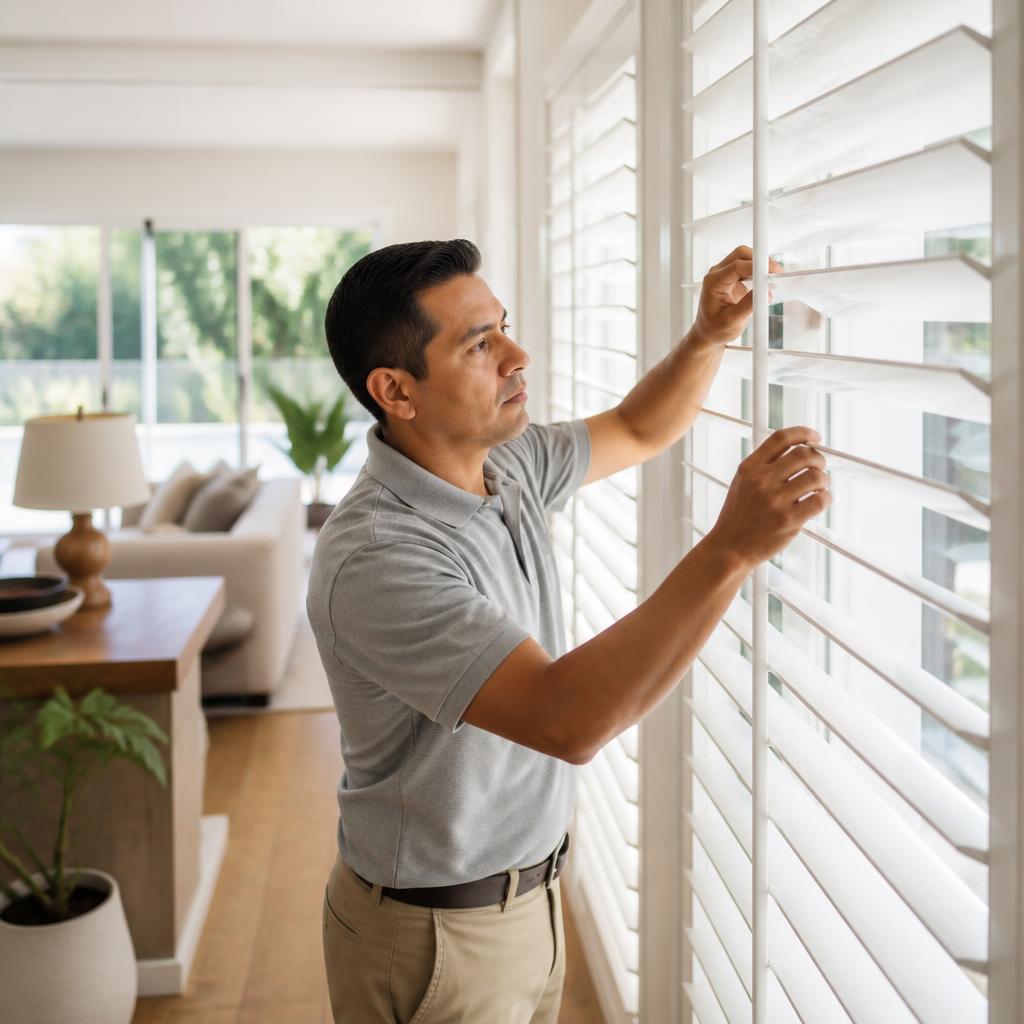
6 possible tasks · typical 5-step process
What it is
This service typically encompasses the on-site measurement, assembly, structural mounting, motorization, and mechanical repair of exterior sun-control fixtures, including retractable fabric awnings, fixed canopies, and exterior drop-down patio screens. Service providers generally anchor mounting brackets into building framing, align guidance tracks, adjust fabric tension, and configure manual or motorized drive units. The scope of this service usually focuses on the shade assemblies themselves and does not typically include general building additions, masonry footers, or structural roof alterations.
What Awnings & Patio Shades can include
Retractable Fabric Awning Installation
Assembling lateral-arm mechanisms, mounting wall or soffit brackets to structural framing, and adjusting pitch angles designed to facilitate water runoff.
Exterior Drop Shade and Screen Mounting
Fitting vertical zip-track screens, solar drop shades, or cable-guided systems to covered porches, pergolas, or exterior window casings.
Fixed Metal and Fabric Canopy Assembly
Measuring, assembling, and fastening stationary welded aluminum or structural fabric canopies over doorways, storefronts, and architectural openings.
Motorization and Sensor Configuration
Installing tubular motors, setting travel limits, and integrating wireless remotes, wall switches, wind-motion sensors, or automation modules.
Fabric Replacement and Reskinning
Removing existing canvas or vinyl covers from frames, checking mounting hardware, and attaching replacement spline-secured fabrics.
Mechanical Repair and Tune-Up
Servicing or replacing lateral arms, lubricating gear loops, replacing manual crank gearboxes, realigning tracks, or addressing non-functioning tubular motors.
How the work is typically performed
- 1
Substrate and Site Assessment
The technician assesses the mounting surface, identifies underlying studs, headers, or masonry substrates, checks projection clearance, and measures the installation area.
- 2
Structural Bracket Anchoring
Mounting brackets are leveled and fastened through exterior cladding directly into structural wood framing, steel beams, or masonry using lag bolts or expansion anchors suited to the wall type.
- 3
Housing and Fabric Deployment
The roller tube, cassette, or fixed frame is set into the brackets, lateral arms or vertical retention tracks are secured, and the fabric roller is aligned for tracking.
- 4
Drive Setup and Pitch Calibration
The technician connects the manual gearbox or motor system, sets open and close travel limits, adjusts arm pitch for general clearance and drainage, and pairs controls or remotes.
- 5
Testing and Functional Verification
The system is cycled through deployment and retraction to observe general extension, fabric tracking, sensor responsiveness, and manual override functions.
Common reasons customers look for this service
- Solar exposure creating unwanted heat or glare on outdoor decks, patios, or adjacent indoor spaces
- Fading or sun damage observed on indoor flooring, interior window furnishings, or outdoor seating
- Visible fabric wear, seam separation, fraying, or sagging on an existing awning or canopy frame
- Motor components humming, stalling, or not responding to control inputs
- Manual crank mechanisms sticking, slipping, or showing resistance during operation
- Interest in adding shade, privacy, or insect screening to an existing porch, pergola, or patio opening
About Awnings & Patio Shades
How are awnings and patio shades typically mounted to siding or stucco surfaces?
Installations generally do not rely on exterior cosmetic siding or stucco alone for structural support. Installers typically anchor lag bolts, structural screws, or threaded rods through the cladding into underlying wall studs, headers, or masonry behind the exterior finish to support the weight and movement of the unit.
What is the general difference between exterior shades and interior window treatments?
Exterior shades are designed to intercept sunlight before it reaches window glass, which can reduce the amount of heat transmitted into a structure. Interior treatments filter light after it has passed through the glass pane, which may allow solar warmth into the room.
How do wind sensors on motorized awnings typically function?
Wind sensors typically detect ambient wind speed or measure arm movement and vibration during wind events. If readings surpass a predetermined threshold, the sensor sends a signal to the motor to retract the awning into its housing, which is intended to reduce exposure to wind forces.
This page provides general information about Awnings & Patio Shades for reference only. It is not professional, safety, medical, legal or financial advice, and it does not describe the services of any particular provider. Scope, methods and timing vary by provider and situation. Kuldesac does not perform these services; contact a qualified provider directly to discuss your specific needs.