


Pest Control Services
Pest control encompasses professional inspection, management, and treatment services targeting common insects, wood-destroying organisms, rodents, and outdoor pests across residential and commercial properties.
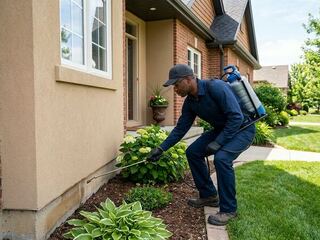
4 services · typical 5-step process
What it is
Pest control services identify observed pest populations, manage active pest presence, and apply treatments intended to limit interior entry and structural damage. Service professionals utilize specialized treatment applications, mechanical traps, and exclusion techniques based on specific pest types and property characteristics. The scope can cover interior living areas, structural foundations, crawlspaces, attics, and exterior perimeter zones.
Services that can fall within Pest Control
General Pest Treatment
Addresses crawling and flying perimeter pests such as ants, roaches, spiders, crickets, and silverfish through interior spot applications and exterior barrier placements. Service providers often treat common entry zones, baseboards, weep holes, and foundation perimeters to help manage insect activity and indoor migration.
Learn moreTermite Treatment
Focuses on subterranean, drywood, or dampwood termites using methods such as liquid termiticides, soil trenching, localized wood injections, or structural drilling. The service can include visual assessment of accessible cellulose components and the placement of monitoring or bait stations around the exterior perimeter.
Learn moreRodent Control
Targets mice and rats through the installation of tamper-resistant bait stations, mechanical traps, and exclusion materials. Providers typically review potential nesting sites, pathways, and structural gaps, and may seal exterior or interior voids using materials such as mesh, metal flashing, or sealants.
Learn moreMosquito Treatment
Aims to manage adult mosquito activity and address potential breeding environments across lawns, shrubs, foliage, and standing water locations. Services commonly utilize outdoor misting, targeted application on shaded landscape areas, or biological larvicides in water collection zones to manage reproductive cycles.
Learn more
How the work is typically performed
- 1
Property Inspection & Pest Identification
Providers conduct an assessment of accessible interior and exterior spaces to identify visible pest species, potential harborage areas, structural gaps, and moisture conditions that can attract pests.
- 2
Treatment Plan Customization
A management plan is typically outlined, selecting chemical, mechanical, or biological methods based on the observed pest types, property layout, and general extent of activity.
- 3
Targeted Application & Mechanical Intervention
Technicians apply designated products, such as residual liquids, gel baits, granular materials, traps, or barrier applications, directly to identified runways, nesting areas, and perimeters.
- 4
Exclusion & Habitat Modification
Services may involve sealing identifiable access openings around utility penetrations and foundation joints, alongside general documentation of environmental conditions that could support pest populations.
- 5
Follow-Up Monitoring & Maintenance
Follow-up visits can be arranged to evaluate monitoring stations, check mechanical devices, reapply exterior barrier products, and assess ongoing pest activity.
Common reasons customers look for this service
- Observed presence of live insects, rodents, or other pests within interior living or storage spaces
- Evidence of pest activity, such as droppings, shed skins, wings, or gnaw marks along structural components
- Visible mud tubes, hollowed wood, or frass near foundations, framing, or crawlspaces
- Unidentified sounds within wall voids or ceilings, or localized odors associated with nesting
- Elevated flying insect or mosquito activity around outdoor living spaces and yards
- Scheduled seasonal property maintenance or periodic exterior barrier reapplication
About Pest Control
What is the typical timeframe for seeing results from a pest control treatment?
Timeframes can vary depending on the target species, property size, treatment methods used, and initial level of pest activity. Changes in pest movement are often observed within several days of application, while managing broader populations or addressing reproductive cycles may involve multiple weeks or follow-up visits as determined by the provider.
What are the common occupancy procedures during pest control applications?
Protocols regarding whether occupants remain inside or step away during service depend on the treatment methods, product formulations, and provider policies. Exterior perimeter treatments and enclosed bait stations often allow normal interior access, whereas certain indoor liquid sprays, aerosol applications, or specialized treatments may involve remaining away from treated surfaces until dry. Specific guidelines are typically established by individual service companies.
What does property preparation typically involve for pest control services?
Preparation procedures can vary widely depending on the type of service being performed. For general interior treatments, providers may request clear pathways to baseboards, under-sink utility areas, and storage spaces. Other services, such as kitchen applications or exterior treatments, might involve covering food items, clearing perimeter vegetation, or securing pets away from work areas. Detailed requirements are typically provided directly by the service company prior to arrival.
This page provides general information about Pest Control for reference only. It is not professional, safety, medical, legal or financial advice, and it does not describe the services of any particular provider. Scope, methods and timing vary by provider and situation. Kuldesac does not perform these services; contact a qualified provider directly to discuss your specific needs.