


Refrigerator
Professional refrigerator repair encompasses the technical evaluation, component servicing, and mechanical adjustment of cooling systems, electrical controls, and moving hardware across residential and light commercial refrigeration appliances.
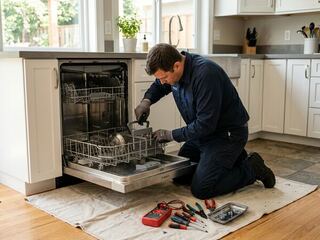
6 possible tasks · typical 4-step process
What it is
Refrigerator repair involves the methodical inspection and servicing of cooling mechanisms, temperature regulation controls, and operational assemblies within freestanding and built-in units. Service technicians typically examine functional components such as mechanical compressors, heat-dissipating condenser coils, digital sensors, defrost heating circuits, and internal fluid distribution pathways for ice and water features. This sector of appliance service focuses primarily on the working mechanical and electrical systems of existing units, rather than addressing external kitchen cabinetry, custom panel carpentry, or aesthetic exterior finishes.
What Refrigerator can include
Compressor and Start Relay Servicing
Can involve checking electrical start capacitors, examining motor windings, and servicing or swapping mechanical relays or compressors intended to facilitate standard refrigerant circulation.
Thermostat and Sensor Calibration
Can include evaluating, testing, or replacing electronic control boards, thermistors, and mechanical dials intended to regulate temperature zones within storage compartments.
Defrost System Diagnostics and Repair
Can encompass inspecting defrost timers, bimetallic thermal switches, and electric heating loops designed to assist with frost management around evaporator assemblies.
Fan Motor Replacement
May involve testing evaporator and condenser fan assemblies, checking fan blade clearances, and installing replacement motors to support air circulation across internal coils.
Water Dispenser and Ice Maker Repair
Can include assessing electrical solenoid valves, supply lines, filtration components, and mechanical ice harvesting assemblies intended to support dispensing features.
Door Gasket Inspection and Replacement
Can encompass examining flexible perimeter seals for wear or alignment variations, as well as installing replacement magnetic gaskets designed to seal compartment doors.
How the work is typically performed
- 1
Diagnostic Assessment
A technician typically reviews the appliance by observing operational cycles, checking digital control readouts, and noting temperatures across internal storage zones using diagnostic instruments.
- 2
Component Testing
Technicians frequently test individual circuits, switches, fan assemblies, and mechanical parts with specialized meters to assess electrical continuity and standard operating parameters.
- 3
Component Repair or Replacement
Identified assemblies such as circuit boards, distribution valves, fan motors, or thermal switches can be adjusted or replaced using parts compatible with the specific unit.
- 4
System Verification and Operational Testing
Technicians often observe subsequent operational cycles to verify general airflow, check the physical seating of parts, and review the activation of primary cooling systems.
Common reasons customers look for this service
- Temperature variations observed between freezer and fresh food compartments
- Audible humming, clicking, or continuous motor operation during refrigeration cycles
- Frost accumulation noted on interior panels or internal evaporator coil covers
- Moisture gathering within lower storage bins or along the floor perimeter
- Variations in the function of ice-making systems or water dispensing assemblies
- Visible physical wear, creasing, or separation along flexible door gaskets
About Refrigerator
What types of components are typically addressed during refrigerator repair?
Service visits often involve reviewing operational components such as motor relays, condenser coils, circulation fans, defrost heating elements, and electronic control boards. The exact components evaluated can vary depending on the unit design and the service scope established by the technician.
How is diagnostic testing typically conducted on refrigeration units?
Technicians generally utilize diagnostic meters, visual inspections of mechanical linkages, and control board interface checks to examine internal components. Methods can vary based on whether an appliance uses mechanical thermostats or modern electronic management systems.
What areas of an appliance are commonly accessed during refrigerator service?
Technicians often access lower rear mechanical bays, interior back freezer panels, internal airflow ducts, or lower kick plates. Workspace requirements can vary depending on the refrigerator style, including whether it is a freestanding, built-in, or integrated unit.
This page provides general information about Refrigerator for reference only. It is not professional, safety, medical, legal or financial advice, and it does not describe the services of any particular provider. Scope, methods and timing vary by provider and situation. Kuldesac does not perform these services; contact a qualified provider directly to discuss your specific needs.