


Mobile Dental / Hygiene
Mobile dental and hygiene services refer to the provision of basic dental cleanings, visual mouth reviews, and preliminary diagnostic charting at private residences, residential care communities, or corporate offices using portable instruments.
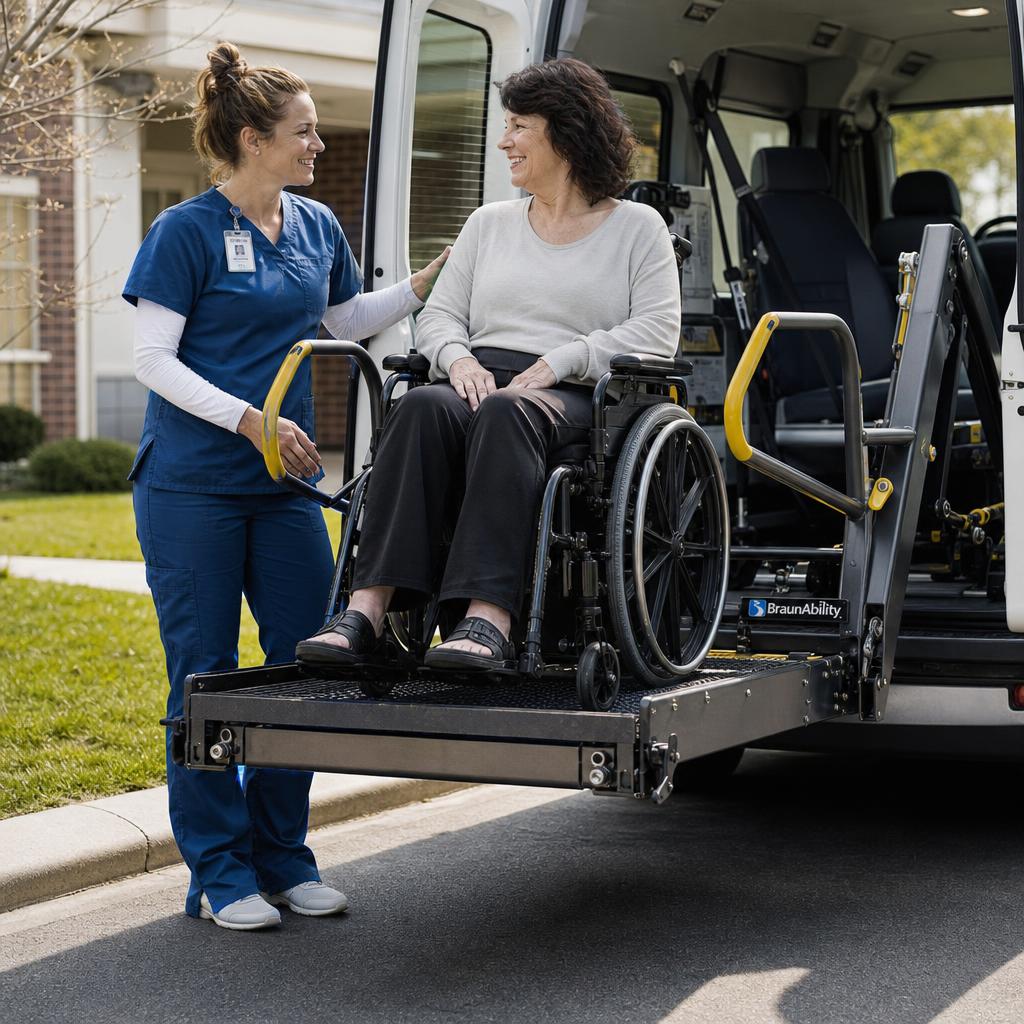
6 possible tasks · typical 4-step process
What it is
This category of on-site service involves clinicians transporting self-contained dental gear directly to a client's location. Appointments often focus on surface teeth cleaning, visual charting of oral structures, and gathering photographic or radiographic records. More extensive procedures, such as complex surgical removals, detailed restorative designs, or interventions involving general anesthesia, are commonly arranged through stationary dental facilities rather than portable visits. The precise options made available during an appointment vary according to individual practitioner workflows, portable equipment configurations, and applicable geographic guidelines.
What Mobile Dental / Hygiene can include
Comprehensive Oral Examinations
Practitioners visually observe the dental arches, surrounding soft tissues, and general oral cavity structures, noting baseline conditions or noticeable alterations on clinical charts. Visual and manual checks of extraoral regions like the jaw line or neck area can also be integrated into these reviews.
Dental Prophylaxis and Periodontal Scaling
This procedure involves the mechanical clearing of external accretions, plaque layers, and surface stains from exposed tooth surfaces utilizing specialized manual hand tools or ultrasonic vibrational instruments. Depending on the professional's service profile, deeper debridement of subgingival surfaces can also be conducted.
Mobile Digital Radiography
Handheld x-ray apparatuses coupled with digital sensor technology can be transported to produce structural images of internal tooth features, root placement, and neighboring bone architecture on location. These imaging assets serve as informational documentation regarding interdental spaces and supporting bony contours.
Topical Preventative Applications
Visits can include the manual application of topical remineralizing formulas onto tooth exteriors. Protective coatings, such as resin or glass ionomer sealants, can also be applied across the grooves of posterior teeth to create a physical barrier over deep crevices.
Denture Cleaning and Maintenance
Appointments may encompass the cleaning of full or partial removable prosthetic appliances using specialized solutions or ultrasonic baths. Clinicians can visually inspect the appliance base for structural integrity, evaluate general fit against oral tissues, and perform surface smoothing or minor tissue-side adjustments.
Minimally Invasive Decay Arrest
Certain mobile practitioners apply liquid topical agents, including silver-based preparations, or place temporary biocompatible materials over designated tooth surfaces to seal or coat affected areas without reliance on standard air-driven rotary drills.
How the work is typically performed
- 1
Pre-Visit Intake and Triage
The operational team collects standard baseline records, general background profiles, mobility notes, and preferences prior to arrival. This step helps outline procedural goals, establish equipment requirements, and determine whether on-site arrangements are suitable for the planned agenda.
- 2
On-Site Clinical Setup
Upon arrival, the professional designates a functional operational zone, positioning compact light units, vacuum lines, air-water systems, and sanitized tool trays adjacent to power supplies. Protective barriers and clean staging zones are arranged across nearby flat surfaces.
- 3
Clinical Examination and Hygiene Procedure
The clinician performs the scheduled assessments, documentation, or surface cleanings according to the plan. Work can be arranged with the recipient positioned in a portable folding chair, an everyday household chair, a personal wheelchair, or a standard bed.
- 4
Post-Care Debrief and Sanitization
The visiting clinician concludes the visit by reviewing observed items, outlining notes for personal records, and packing up tools. Used implements are placed into sealed transport cases, single-use supplies are gathered, and staging surfaces are cleaned down before departure.
Common reasons customers look for this service
- Arranging personal hygiene appointments for individuals who prefer receiving care at home
- Scheduling on-site visits for individuals residing in assisted living, skilled nursing, or group facilities
- Coordinating oral health assessments where standard commercial transportation presents logistical complexities
- Managing periodic routine hygiene reviews for family members within a domestic setting
- Organizing informational dental assessments or routine wellness days for personnel at corporate campuses
About Mobile Dental / Hygiene
What space and utility setups are commonly used during a mobile dental visit?
Mobile appointments generally utilize a clear floor area capable of accommodating equipment cases and seating, situated near an electrical wall outlet. Most portable delivery units incorporate integrated water supplies and suction units, though precise utility demands can vary between service providers.
Can mobile dental services be provided to someone resting in a personal recliner or bed?
Mobile dental apparatuses are designed for adaptation in non-traditional environments. Clinicians can often arrange lighting, suction, and tray setups to accommodate individuals remaining in their own chairs, specialized mobility devices, or beds without requiring a transfer to portable dental furniture.
How is instrument management handled for mobile appointments?
Visiting practitioners typically transport instruments that have been cleaned and processed in standard stationary autoclaves ahead of the visit in sealed pouches. Following the appointment, used instruments are transferred into specialized containers for transport back to a processing site.
This page provides general information about Mobile Dental / Hygiene for reference only. It is not professional, safety, medical, legal or financial advice, and it does not describe the services of any particular provider. Scope, methods and timing vary by provider and situation. Kuldesac does not perform these services; contact a qualified provider directly to discuss your specific needs.
More Mobile Health Services services
- Non-Emergency Medical Transport
- Wheelchair / Stretcher Transport
- Senior Companion Transport
- In-Home Nursing Visit
- Mobile Blood Draw / Phlebotomy
- Mobile IV Hydration Therapy
- Mobile Vaccinations & Flu Shots
- Mobile Covid / Lab Testing
- In-Home Physical Therapy
- In-Home Occupational Therapy
- Home Health Aide / Personal Care
- Post-Surgery / Recovery Care
- Hospice Support Visits
- Wound Care Visit
- Medication Management Visit
- Mobile Chiropractic
- Mobile Massage Therapy
- Mobile Foot / Nail Care
- Bedside Medical Notary