


Roof Leak Repair
Roof leak repair is a specialized service where roofing professionals seek to locate, isolate, and address suspected points of water intrusion across roof coverings, underlayment, flashing, and penetrations.
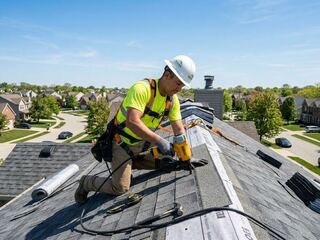
6 possible tasks · typical 5-step process
What it is
Roof leak repair addresses active or intermittent moisture entry associated with localized surface damage, degraded sealants, displaced roofing components, or compromised transitional metalwork. The scope typically involves evaluating the water pathway, replacing damaged shingles or tiles, adjusting flashing, and applying sealants around vulnerable joints or roof penetrations. This service is intended to target isolated entry points and generally does not encompass structural framing rebuilding, interior drywall restoration, or complete roof replacement.
What Roof Leak Repair can include
Shingle and Tile Replacement
Service providers can remove cracked, lifted, or missing shingles, shakes, or tiles around the affected area and install replacement units over clean underlayment.
Flashing Inspection and Resealing
Technicians may evaluate, reseat, or replace corroded or detached step, chimney, dormer, and valley flashing to help direct runoff away from seam intersections.
Plumbing Vent and Pipe Boot Repair
This work can include replacing worn rubber gaskets, deteriorated neoprene collars, or shifted baseplates situated around rooftop exhaust pipes and vent stacks.
Skylight Perimeter Sealing
Crews can reseal accessible skylight frame edges, clear obstructed drainage channels, or replace perimeter flashing components to address localized water intrusion.
Fastener and Nail Pop Remediation
Contractors locate exposed, lifted, or rusted fasteners, drive in new fasteners where appropriate, and coat penetrations with compatible roofing sealant.
Valley and Gutter Apron Restoration
Providers often clear collected debris from roof valleys, re-secure valley metal liners, and repair edge metals where runoff may pool near roof eaves.
How the work is typically performed
- 1
Water Entry Diagnosis
Technicians typically evaluate the exterior roof deck, inspect transitional joints, and check accessible attic spaces or underlying decking to help map the suspected water path.
- 2
Site Prep and Damaged Material Removal
The targeted work zone is cleared of loose debris, and worn shingles, degraded underlayment, cracked sealants, or compromised fasteners are carefully detached.
- 3
Substrate and Barrier Restoration
Exposed decking can be examined for surface wear, sheathing can be repaired or replaced if necessary, and water-resistant underlayment is typically layered over the repair area.
- 4
Material Reinstallation and Flashing Integration
Replacement roof coverings are installed and integrated with new or refitted flashing sections, typically fastened and sealed with compatible exterior materials.
- 5
Waterproofing Inspection and Cleanup
Technicians review seams, overlaps, and fastener locations to verify proper coverage, remove discarded project debris from the property, and perform a visual check of the work.
Common reasons customers look for this service
- Observations of discoloration or water stains along ceilings or finished interior walls
- Moisture accumulation in attic rafters or living areas during periods of rainfall
- Missing, cracked, or curling shingles noticed on the exterior roof surface
- Visible gaps, corrosion, or separated metal sections around chimneys and vent stacks
- Damp decking or localized dark patches visible on the underside of roof sheathing
- Runoff backing up or pooling along roof valleys and low-slope intersections
About Roof Leak Repair
How is the source of a roof leak typically identified when water appears far from the entry point?
Water often travels along structural rafters, underlayment layers, and ceiling joists before showing on finished surfaces. Service providers typically trace moisture pathways backward from visible interior signs toward the roofline, which can involve attic evaluations, moisture-reading tools, or controlled exterior water tests depending on the provider.
What does temporary roof leak mitigation typically involve?
During adverse weather, temporary measures such as securing heavy-duty tarps or applying specialized sealants designed for damp surfaces may be used to help shed water. More permanent component replacement is generally scheduled once weather conditions permit thorough surface preparation and dry material installation.
What factors determine whether a roof leak involves isolated repairs or broader replacement?
Decisions regarding spot repairs versus extensive re-roofing usually depend on the overall age and wear of the roofing system, whether moisture intrusion is confined to one area or widespread, and the condition of the underlying wooden deck. A comprehensive inspection can clarify whether findings are localized or systemic across the structure.
This page provides general information about Roof Leak Repair for reference only. It is not professional, safety, medical, legal or financial advice, and it does not describe the services of any particular provider. Scope, methods and timing vary by provider and situation. Kuldesac does not perform these services; contact a qualified provider directly to discuss your specific needs.