


Trimming / Pruning
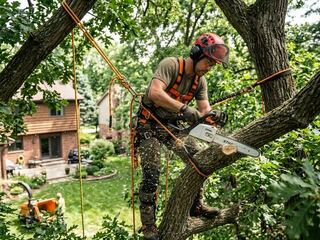
Tree trimming and pruning encompasses the selective reduction and cutting of limbs, foliage, and branch structures to alter canopy profiles, modify clearance around neighboring structures, and influence vegetative growth patterns.
6 possible tasks · typical 5-step process
What it is
Trimming and pruning services focus on the planned detachment of select living, declining, or surplus branches from trees across various growth stages. Field crews typically employ climbing gear, aerial work platforms, hand tools, and specialized cutting devices to access upper and interior canopy regions. The work involves managing branch spacing, adjusting canopy volume, and establishing physical separation from man-made structures, transit corridors, or neighboring landscape features. These activities generally do not encompass tree extraction, below-ground root treatments, stump grinding, or chemical pest applications, which are distinct arboricultural operations.
What Trimming / Pruning can include
Crown Cleaning and Deadwooding
Can involve the location and removal of unviable, deteriorating, or detached branch sections scattered throughout the interior and exterior of the canopy. This work can address decaying wood tissue and reduce the volume of loose material suspended within the branch network.
Crown Thinning
Can include the selective thinning of smaller, secondary boughs across the canopy interior. This process is intended to moderate foliage density, adjust wind movement through the canopy framework, and permit ambient sunlight to reach lower branches and understory plantings.
Crown Raising
Can encompass the detachment of lower tier limbs to increase the vertical distance between ground surfaces and the bottom of the crown. This adjustment can alter space above walkways, driveways, boundary fencing, and secondary structures.
Crown Reduction
Can involve curtailing the outward spread or height of a canopy by clipping larger limb ends back to supporting lateral stems. This technique is intended to adjust the spatial footprint of the tree without relying on indiscriminate topping methods.
Structural and Corrective Pruning
Can include shaping interventions on establishing or mature specimens to alter stem architecture and branch distribution. Technicians can focus cuts on stems with competing leaders, limbs displaying rubbing contact, or attachments with narrow angles.
Building and Utility Clearance
Can involve trimming branches extending toward exterior structural elements, chimneys, rooftops, and overhead infrastructure. This practice can reduce mechanical contact against siding or masonry and adjust access paths across upper property perimeters.
How the work is typically performed
- 1
Preliminary Site Assessment
Crew members review the tree structure, neighboring terrain, overhead obstacles, and proximity to buildings to outline equipment needs and identify targeted branch groupings.
- 2
Access and Equipment Positioning
Technicians place ladders, hoist ropes, climbing lines, or mechanical lifts in designated staging zones. Lowering systems may be secured to control the descent of severed boughs.
- 3
Canopy Cutting Operations
Workers execute cuts using hand saws, extended pole equipment, or small chainsaws, generally placing cuts adjacent to the branch collar to allow typical wood closure processes to occur.
- 4
Form and Distribution Review
Technicians view the canopy from ground vantage points at intervals during cutting to assess visual symmetry, weight distribution, and perimeter clearances relative to project parameters.
- 5
Debris Collection and Area Raking
Cut foliage, twigs, and trunk segments are gathered from the grounds below, fed through mobile processing units such as chippers, or loaded for transport, followed by site clearing.
Common reasons customers look for this service
- Vegetation extending toward roofing components, siding, or overhead supply connections
- Visible presences of cracked, withered, or detached branches remaining in the canopy
- Dense foliage layers that diminish sunlight penetration or ground-level visibility
- Drooping lower branches that encroach into driveways, streets, or pedestrian routes
- Canopy alterations observed following high-wind weather events or heavy precipitation
- Crossing or parallel branches that rub against adjacent vegetative tissue
About Trimming / Pruning
What distinguishes tree trimming from tree pruning?
Trimming is often associated with modifying external outlines, managing excess foliage, and maintaining aesthetic boundaries. Pruning typically involves targeted branch removal designed to alter structural balance, manage internal wood distribution, and remove compromised growth.
What factors influence the timing of tree trimming and pruning?
Timing can depend on the species of the tree, local climate zones, and the operational scope of the project. Certain cuts are frequently made during seasonal periods when foliage has dropped and branch structure is visible, while other adjustments can be carried out across various points in the year.
How is wood waste typically handled following trimming?
Handling methods can vary based on property arrangements and service agreements. Crews often pass smaller branches and green waste through mechanical chippers, retain trunk sections for property owners upon request, or haul materials away for off-site processing.
This page provides general information about Trimming / Pruning for reference only. It is not professional, safety, medical, legal or financial advice, and it does not describe the services of any particular provider. Scope, methods and timing vary by provider and situation. Kuldesac does not perform these services; contact a qualified provider directly to discuss your specific needs.