


Full Roof Replacement
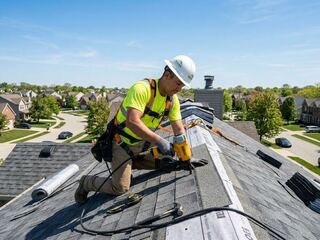
A full roof replacement generally involves removing existing surface materials down to the structural decking and installing new roofing components from the substrate upward.
7 possible tasks · typical 5-step process
What it is
A full roof replacement is an exterior service where service providers can strip existing shingles, tiles, or panels, review and address underlying decking, and install new underlayment, flashing, and finish coverings. The service is typically intended to create an updated weather barrier across the roof profile in response to age or weather-related wear. Project scopes generally focus on the roof plane and exterior layers, while interior structural framing changes, rafter modifications, interior ceiling repairs, or gutter replacements may not be included unless arranged as part of an expanded agreement.
What Full Roof Replacement can include
Complete Tear-Off and Disposal
Can involve the removal of existing surface materials, base layers, and fasteners down to the roof deck, along with debris containment and off-site hauling.
Decking Inspection and Sheathing Repair
May include evaluating exposed plywood or oriented strand board sheathing for moisture issues, structural wear, or delamination, followed by replacing affected boards as agreed upon in the project scope.
Drip Edge and Underlayment Installation
Can encompass fastening metal drip edges along eaves and rakes, placing protective barriers along valleys or lower edges, and rolling out water-resistant or synthetic underlayment over open decking.
Flashing Replacement and Integration
Often involves installing or replacing step flashing, apron flashing, valley metal, chimney flashings, or pipe boots around roof penetrations and intersecting wall joints.
Primary Roofing Material Application
Typically involves fastening selected primary coverings—such as architectural shingles, metal panels, or tiles—along with starter strips across the roof plane according to manufacturer specifications.
Exhaust and Ridge Ventilation Setup
Can include clearing or cutting ridge openings and affixing ridge vents, external baffles, or static exhaust vents along peaks to support attic ventilation paths.
Magnetic Grounds Cleanup
May involve sweeping accessible property perimeters, walkways, or driveways with magnetic rollers or collection tools to gather loose nails and metallic construction debris.
How the work is typically performed
- 1
Site Staging and Property Protection
Crews may position protective coverings over surrounding landscaping, exterior walls, or nearby surfaces, and place waste containers or debris-collection systems around the perimeter of the structure.
- 2
Substrate Stripping and Repair
Workers typically strip existing surface layers down to the wood deck, review the condition of the sheathing, and re-secure or exchange damaged panels as needed.
- 3
Underlayment and Moisture Barrier Application
Installers generally place perimeter metal trims, apply specialized barriers along roof valleys or eaves, and lay overlapping underlayment sheets across the main roof sections.
- 4
Finish Material and Penetration Flashing
Technicians fasten primary roofing products in aligned rows, integrate valley treatments, and position metal flashings or seals around roof features such as chimneys, skylights, and vent pipes.
- 5
Ridge Capping and Final Site Clearance
Crews typically mount ventilation fixtures, apply cap pieces along ridges and hips, review installed materials, and collect remaining debris from reachable ground areas.
Common reasons customers look for this service
- Observation of wear across roofing materials, such as curling, cracking, blistering, or granule shedding on shingle surfaces
- Reports of water penetration or staining inside an attic or living area traced to aged exterior materials
- Noticeable unevenness or flex in the roof plane suggesting potential decking wear beneath existing coverings
- Visible damage caused by storm events, such as wind-dislodged materials, hail impacts, or falling branches
- A desire to update older multi-layer roofing configurations or change the overall roofing material type
About Full Roof Replacement
What is the difference between a full roof replacement and a roof recover?
A full replacement involves stripping all previous materials down to the roof decking, which allows the condition of the underlying sheathing to be observed before new layers are applied. A recover, by contrast, typically involves adding a new layer of covering directly over existing materials without exposing or altering the base decking.
How is damaged decking typically addressed during a replacement?
If sheathing is found to have moisture damage, rot, or weakness after surface removal, contractors generally remove the affected section of plywood or board and secure a matching piece of structural wood directly to the framing members before applying underlayment.
What factors can influence the timeline of a roof replacement project?
The duration of a replacement project can vary based on factors such as total surface area, roof pitch, architectural complexity, material type, accessibility, weather conditions, and the extent of any decking work required.
This page provides general information about Full Roof Replacement for reference only. It is not professional, safety, medical, legal or financial advice, and it does not describe the services of any particular provider. Scope, methods and timing vary by provider and situation. Kuldesac does not perform these services; contact a qualified provider directly to discuss your specific needs.