


Fire Extinguishers
Fire extinguisher services encompass the physical evaluation, upkeep, refilling, pressure vessel assessment, and placement of portable canisters within various properties.
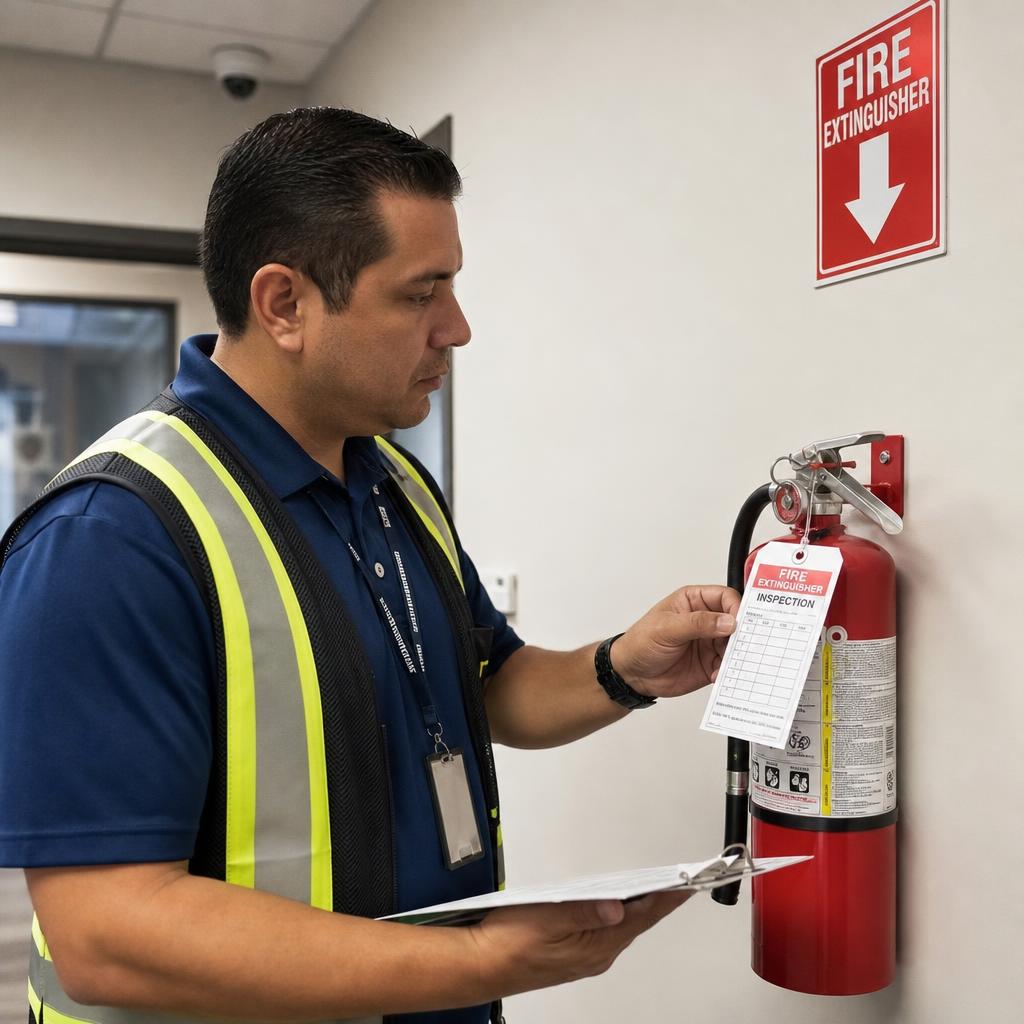
6 possible tasks · typical 4-step process
What it is
This category of service covers mechanical evaluations, pressure reviews, extinguishing agent replenishment, and mounting solutions for portable containment vessels. Technicians typically observe gauge needles, hose attachments, discharge nozzles, and vessel exteriors to note general physical characteristics and surface conditions. These services generally focus on standalone portable units and do not extend to integrated kitchen hood suppression hardware, water or dry sprinkler pipe systems, or central fire alarm communication networks.
What Fire Extinguishers can include
Routine Inspection and Tagging
Technicians can observe pressure dials, assess total canister heft against baseline specifications, check locking pins and tamper bands, review hose pathways for debris, and log service dates on attached documentation.
Recharging and Repressurizing
Work can involve expelling residual tank pressures, cleaning discharge assemblies, replenishing containment tanks with specified chemical or liquid agents, and repressurizing canisters using compressed nitrogen or air.
Hydrostatic Testing
Providers can conduct controlled fluid pressure testing on cylinders to evaluate metal strength, observe container wall integrity, and note overall structural durability under pressure.
Bracket and Cabinet Mounting
Activities may include anchoring wall hooks, securing vehicle brackets, or placing surface-mounted and recessed cabinets intended to hold canisters along corridors or pathways.
Internal Valve Maintenance
Service can include taking apart discharge heads, swapping out sealing rings, checking internal valve stems, clearing siphon channels, and cleaning internal spring mechanisms.
Hazard Assessment and Unit Sizing
Providers can review floor plans and physical zones to document extinguisher classifications, such as chemical types across classes like A, B, C, D, or K, while comparing canister capacities with materials present in a designated area.
How the work is typically performed
- 1
Inventory and Visual Assessment
Technicians typically catalog present hardware, note mounting locations, review surrounding clearances, and check canister bodies for visible surface discoloration, finish wear, or indentations.
- 2
Gauge Verification and Weight Check
The technician checks dial indicators, disconnects delivery hoses to check for internal blockages, and can weigh units against stamped empty weight specifications.
- 3
Maintenance, Refilling, or Cylinder Testing
Depending on equipment age and condition, units may be emptied, reviewed internally for moisture or powder compaction, hydrostatically tested, or replenished with designated containment agents.
- 4
Mounting, Sealing, and Documentation
Technicians typically attach locking pins, loop plastic tamper bands, position units onto mounting brackets or inside storage cabinets, and attach current documentation tags.
Common reasons customers look for this service
- Gauge needles rest outside designated operational parameters
- A cylinder has experienced total or partial discharge
- Missing pull pins, separated tamper bands, or worn delivery hoses are visible
- Marked service intervals on attached tracking tags have passed
- Surface corrosion, metal denting, or exterior abrasion is visible on the cylinder wall
- Changes occur to facility layouts, interior structures, or room utilization
About Fire Extinguishers
What typically occurs during a service after an extinguisher has been partially discharged?
Partial actuation can disrupt the valve seal, which can permit internal pressurizing gas to slowly escape. A service provider can empty the remaining agent, clean internal valve components, and replenish the vessel according to manufacturer parameters.
What is involved in hydrostatic testing for portable extinguishers?
Hydrostatic evaluation involves filling the canister vessel with liquid, typically water, and applying elevated test pressure. This procedure permits technicians to observe structural responses and check for internal metal wall thinning or micro-fractures under controlled settings.
How do dry chemical units differ from Class K models?
Dry chemical extinguishers typically rely on powdered compounds like monoammonium phosphate or sodium bicarbonate suited for everyday solid materials, flammable liquids, or energized wiring. Class K models feature specialized liquid chemical mists designed for high-temperature cooking fats and oils.
This page provides general information about Fire Extinguishers for reference only. It is not professional, safety, medical, legal or financial advice, and it does not describe the services of any particular provider. Scope, methods and timing vary by provider and situation. Kuldesac does not perform these services; contact a qualified provider directly to discuss your specific needs.