


House Wash
A house wash typically utilizes low-pressure water combined with specialized cleaning agents intended to address accumulated dirt, algae, mildew, and atmospheric residue on exterior siding, trim, and architectural surfaces.
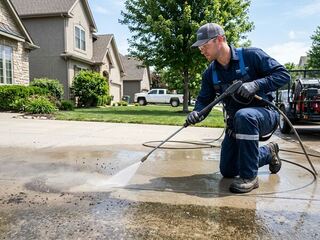
6 possible tasks · typical 5-step process
What it is
House washing generally encompasses the exterior vertical envelope of a structure, which can include siding, trim, eaves, and external gutter faces. Contractors frequently utilize low-pressure soft washing techniques suited for common cladding materials such as vinyl, fiber cement, aluminum, wood, stucco, and brick masonry. Standard house washing scopes typically concentrate on vertical surfaces and often exclude roof moss removal, interior window washing, interior gutter debris extraction, or flat-surface pressure washing for driveways and patios unless specifically arranged.
What House Wash can include
Siding Surface Cleaning
Application of specialized cleaning detergents at low pressure intended to loosen organic growth, pollen, and airborne grime from vinyl, fiber cement, composite, wood, or metal cladding.
Fascia, Soffit, and Eave Washing
Rinsing and washing roof overhangs, soffit panels, and fascia boards to help dislodge accumulated cobwebs, insect debris, and atmospheric soot deposits.
Masonry and Stucco Soft Washing
Use of dedicated chemical solutions formulated for porous substrates such as brick, mortar joints, and synthetic or traditional stucco to lift discoloration without abrasive blasting.
Exterior Window Frame and Sill Rinsing
Rinsing exterior window glass, casings, and sills with fresh water to help clear away dislodged debris and detergent residue following wall washing.
Entryway, Porch, and Column Washing
Cleaning of covered entryways, front porch ceilings, support columns, railings, and exterior steps as part of the overall facade scope.
Landscape Pre- and Post-Rinsing
Rinsing perimeter garden beds, shrubs, and turf with fresh water before and after detergent application to help manage detergent contact with surrounding plants.
How the work is typically performed
- 1
Site Inspection and Surface Preparation
Service personnel typically review siding conditions, note visible surface wear or oxidation, cover exterior electrical fixtures, and wet nearby vegetation with water.
- 2
Low-Pressure Detergent Application
Technicians use dedicated low-pressure equipment to distribute formulated cleaning solutions and surfactants across exterior surfaces, often working from lower sections upward.
- 3
Dwell Time Activation
The cleaning mixture remains on exterior surfaces for a designated dwell period, allowing the detergents to interact with biological growth and surface grime.
- 4
High-Volume, Low-Pressure Rinse
Surfaces are rinsed with fresh water using wide-angle spray nozzles designed to wash away loosened dirt and residue at gentle pressures.
- 5
Final Quality Check and Landscape Flush
A final walkthrough is generally conducted to review overall coverage, touch up remaining spots, rinse window exteriors, and provide a final water rinse to adjacent landscaping.
Common reasons customers look for this service
- Visible accumulation of organic growth, algae, or mildew discoloration on exterior walls
- Seasonal accumulation of tree pollen, road dust, cobwebs, and environmental residue
- Surface preparation prior to repainting, staining, or applying sealants to exterior cladding
- General periodic exterior property maintenance and aesthetic freshening
- Property preparation in conjunction with real estate listings, photography, or showings
About House Wash
What is the difference between pressure washing and soft washing for building exteriors?
Pressure washing utilizes high mechanical water pressure to dislodge grime, which is often reserved for hard flat surfaces like concrete. Soft washing uses higher water volume at significantly lower pressure combined with cleaning solutions, an approach typically selected for siding, trim, and stucco to reduce mechanical stress on vertical surfaces.
How is surrounding landscaping typically managed during a house washing service?
Service crews often pre-soak surrounding plants and lawn areas with fresh water before applying exterior detergents, followed by an additional post-application rinse. Practices and dilution techniques can vary depending on the provider and the specific cleaning agents selected.
What preparations are commonly associated with an exterior house washing appointment?
Preparation commonly involves closing exterior windows and doors, clearing patio furniture and decorative items away from exterior walls, and ensuring clear access to exterior water spigots. Specific preparation preferences can vary depending on the service provider.
This page provides general information about House Wash for reference only. It is not professional, safety, medical, legal or financial advice, and it does not describe the services of any particular provider. Scope, methods and timing vary by provider and situation. Kuldesac does not perform these services; contact a qualified provider directly to discuss your specific needs.