


Drain Field Repair
Drain field repair addresses issues within the subsurface soil absorption system that disperses liquid effluent from a septic tank.
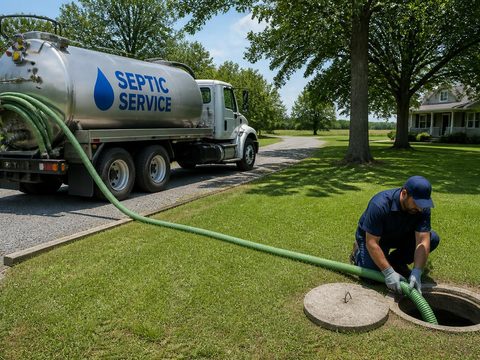
6 possible tasks · typical 5-step process
What it is
This service focuses on evaluating and addressing localized issues within leach lines, distribution boxes, and absorption trenches designed to facilitate effluent percolation into surrounding soil. The scope of work may include clearing accumulated biological material, replacing damaged pipe sections, leveling distribution components, or addressing soil compaction. It typically does not encompass routine septic tank pumping, complete absorption field replacement, or interior household plumbing modifications.
What Drain Field Repair can include
Distribution Box Repair and Replacement
Technicians assess, level, or replace compromised distribution boxes, which is intended to help divide effluent more evenly across active lateral lines.
Hydro-Jetting Lateral Lines
High-pressure water scouring can clear accumulated grease, sludge, and organic biomat material from inside perforated absorption pipes.
Lateral Pipe Section Replacement
Crews excavate and replace fractured, crushed, or misaligned sections of perforated pipe using perforated piping and clean aggregate.
Deep Soil Aeration and Decompaction
Pneumatic probes may be inserted into the absorption bed to fracture compacted soil layers and introduce porous media intended to support percolation.
Effluent Filter Installation
An effluent filter can be added to the septic tank outlet baffle, which is designed to reduce the flow of suspended solids into absorption trenches.
Root Intrusion Extraction
Service providers locate root intrusions within trench lines, mechanically trim the roots, and patch access points to help limit further vegetative intrusion.
How the work is typically performed
- 1
Diagnostic Site Assessment
Service providers often map the absorption field using electronic locators or soil probes and may run inspection cameras through accessible lines to check for pipe damage, root growth, or blockages.
- 2
Targeted Excavation
Work crews typically uncover distribution boxes and specific sections of pipe using focused excavation methods intended to access components while minimizing disruption to surrounding landscaping.
- 3
Mechanical and Hydraulic Remediation
Technicians may hydro-jet lines to dislodge sediment, replace damaged pipe segments, reposition distribution boxes, or mechanically clear root growth within the lines.
- 4
Soil Absorption Restoration
If soil compaction or heavy biomat buildup is present, providers may use pneumatic fracturing equipment or introduce specialized additives into the trench area to support natural drainage.
- 5
Flow Testing and Site Restoration
Crews often introduce water into the system to observe absorption patterns, backfill open trenches with suitable fill material, and roughly grade the area to match surrounding ground contours.
Common reasons customers look for this service
- Observation of standing water, moisture, or saturated ground along subsurface trench lines
- Noticeable odors detected in the outdoor area near the absorption field
- Slow drainage or gurgling sounds within household plumbing fixtures
- Areas of unusually dense or vibrant grass growth located over specific lateral pipes
- Drainage backups observed at low-elevation indoor drainage points during periods of water use
About Drain Field Repair
What methods can address drain field issues without complete replacement?
Depending on the condition of the soil and piping, remediation can include hydro-jetting lines to reduce biomat accumulation, leveling distribution boxes, replacing localized pipe sections, or applying soil decompaction techniques.
How are buried drain field components typically located?
Technicians often utilize specialized equipment such as ground-penetrating radar, signal-transmitting locators fed through access ports, or non-destructive soil probes to map trench layouts and component depths.
How long does a drain field repair typically take?
Project timelines can vary based on site accessibility, weather, and the specific tasks involved. Targeted repairs like hydro-jetting or distribution box leveling may take a single day, whereas extensive pipe replacements or broad aeration work may span multiple days.
This page provides general information about Drain Field Repair for reference only. It is not professional, safety, medical, legal or financial advice, and it does not describe the services of any particular provider. Scope, methods and timing vary by provider and situation. Kuldesac does not perform these services; contact a qualified provider directly to discuss your specific needs.