


Drain Clearing
Drain clearing refers to professional procedures aimed at dislodging debris, residue, and obstructions within interior waste conduits and plumbing fixtures to facilitate the transit of wastewater.
7 possible tasks · typical 4-step process
What it is
Drain clearing encompasses a range of mechanical and water-assisted procedures designed to manage debris, sedimentation, and flow restrictions inside building piping and fixture drains. These services typically involve utilizing equipment such as rotational cables, flush mechanisms, or pressurized water delivery systems to address accumulations within branch drains or central waste conduits. The focus of standard drain clearing is generally restricted to managing blockages and internal buildups rather than executing pipe reconstruction, excavation, lining installations, or public infrastructure modifications.
What Drain Clearing can include
Sink and Tub Trap Clearing
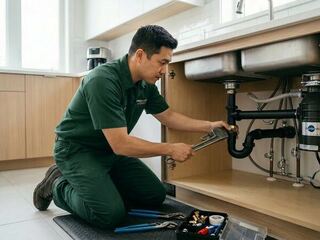
Technicians can detach, clear, and reset curved pipe traps and branch connectors beneath lavatories, kitchen basins, and bathing fixtures where soap accumulations, hair, or loose matter may gather.
Electromechanical Snaking
This approach involves guiding motorized flexible steel rods equipped with rotating heads into pipes to break apart dense blockages or capture foreign objects lodged within the drainage line.
Hydro Jetting
Pressurized water streams can be introduced through specialized nozzles to scour interior pipe walls, helping to disperse grease coatings, mineral deposits, and fine sediment.
Main Sewer Line Clearing
Clearing can be performed through accessible cleanout fittings to reach the building's primary sewer conduit, addressing larger accumulations of waste material or fine root intrusions.
In-Line Video Camera Inspection
Flexible optic inspection units can be inserted along drain passages to observe interior pipe conditions, locate visible blockages, or view the line after clearing procedures.
Floor and Utility Drain Clearing
Specialized clearing techniques can be directed at ground-level drains found in basements, laundry areas, or service rooms where runoff, silt, lint, or debris may accumulate.
Plumbing Vent Stack Clearing
Service providers can access exterior vent openings to clear organic material, leaves, or nesting debris that may hinder natural airflow through the drainage network.
How the work is typically performed
- 1
Diagnostic Flow Assessment
A technician typically observes fixture drainage patterns and identifies accessible entry points or cleanouts to evaluate whether flow resistance appears localized or involves interconnected piping.
- 2
Access Point Preparation
The service area is typically prepared by uncovering cleanout ports, opening trap unions, or accessing vent pathways, often accompanied by protective sheeting around nearby surfaces.
- 3
Mechanical or Hydraulic Clearing
Depending on the scenario, equipment such as a rotational drain auger or high-pressure water jet unit is guided into the pipe to dislodge, cut, or flush away the matter restricting flow.
- 4
Flow Verification and Inspection
Water is often run through the lines to monitor drainage movement, and a flexible viewing camera may be routed through the piping to visually examine internal surfaces.
Common reasons customers look for this service
- Observation of slower drainage rates in bathroom sinks, kitchen basins, or shower pans
- Concurrent water drainage delays across several fixtures within the same building
- Unusual sounds, such as gurgling, arising from nearby drains during the discharge of wastewater
- Presence of standing water or moisture collecting around utility lines or floor drains
- Detection of sewer-like or organic odors originating from interior drain openings
About Drain Clearing
What is the distinction between mechanical drain snaking and hydro jetting?
Mechanical snaking utilizes a rotating steel line to punch through or extract solid blockages, whereas hydro jetting introduces high-velocity water streams to scour grease, film, and residue from the inner pipe perimeter.
How can drain clearing techniques address root presence within sewer lines?
Specialized cutting attachments on mechanical cables can trim or slice through root strands present in the line to help open the pathway. Because clearing tools do not alter the surrounding pipe structure, recurring growth can depend on existing pipe condition.
What alternatives to chemical cleaners are typically utilized in professional drain clearing?
Plumbing providers generally rely on physical clearing tools, such as mechanical augers, flexible steel cables, or water jetting apparatus. These approaches target obstructions directly through mechanical force or water flow rather than chemical dissolution.
This page provides general information about Drain Clearing for reference only. It is not professional, safety, medical, legal or financial advice, and it does not describe the services of any particular provider. Scope, methods and timing vary by provider and situation. Kuldesac does not perform these services; contact a qualified provider directly to discuss your specific needs.