


Motorized & Smart Shades
Motorized and smart shade services generally encompass the measurement, mounting, low-voltage power connection, programming, and hub integration of automated window treatments for residential and commercial properties.
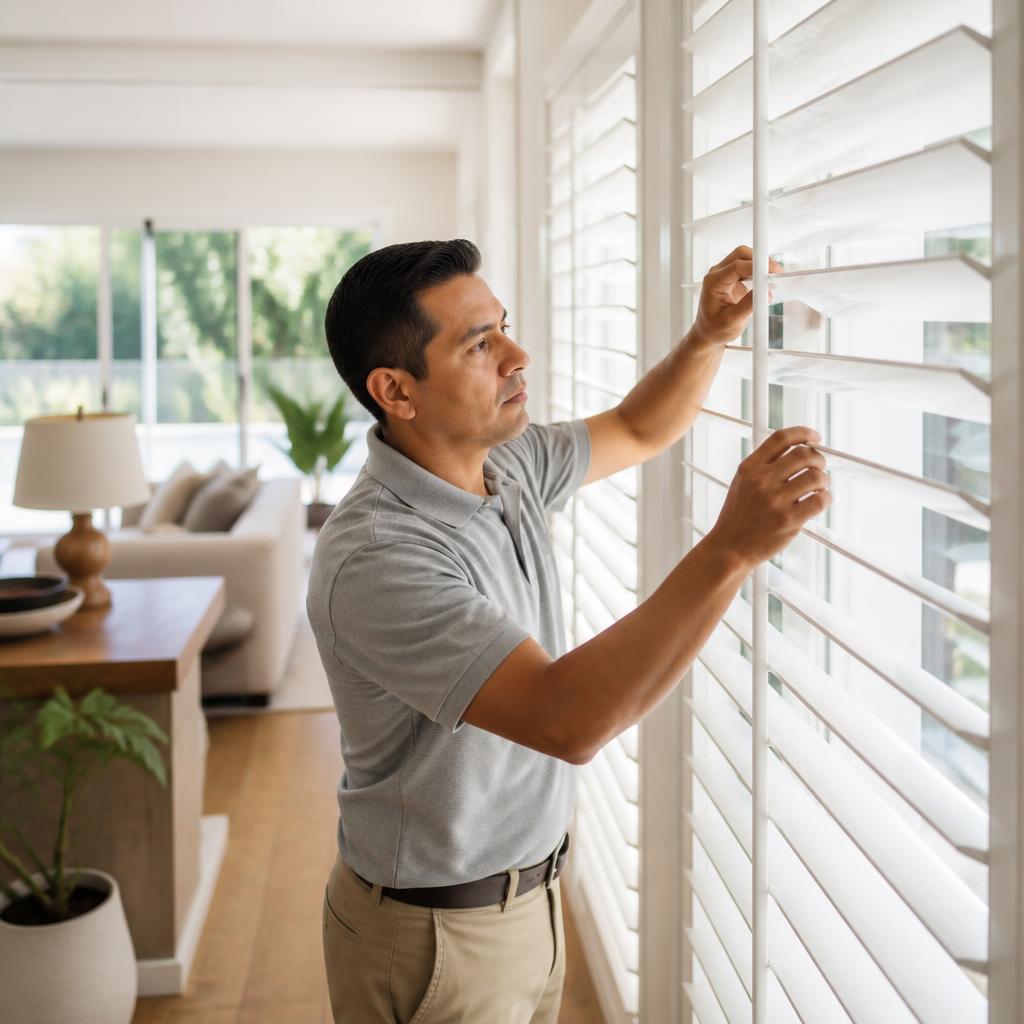
6 possible tasks · typical 5-step process
What it is
This service typically involves the installation, setup, and configuration of automated roller, solar, cellular, drapery, or Roman shades powered by low-voltage wiring, rechargeable battery packs, or plug-in power adapters. Work can include bracket installation, travel limit adjustments, remote control programming, and integration with compatible automation platforms. The service generally focuses on the shade assemblies and related low-voltage components, and typically does not encompass line-voltage electrical work at breaker panels, structural modifications to window openings, or repairs to non-motorized legacy hardware.
What Motorized & Smart Shades can include
Power Source Setup and Wiring
Service providers can route low-voltage DC wiring, install concealment raceways, mount external battery packs, or attach compatible solar charging accessories designed to power shade motors.
Precision Mounting and Bracket Installation
Installers measure, level, and anchor mounting hardware to window frames, mullions, or ceiling surfaces, which is intended to provide appropriate clearance for fabric movement.
Motor Limit and Speed Calibration
Technicians configure internal motor stops to establish upper, lower, and intermediate stopping points, and can adjust travel speeds across adjacent windows when supported by the hardware.
Handheld and Wall Control Pairing
Work can include programming multi-channel radio-frequency remotes, wireless wall switches, or scene controllers to operate designated window treatments individually or in grouped configurations.
Smart Hub and Automation Integration
Providers can connect compatible bridge devices to local networks, assist with manufacturer mobile applications, and link shade profiles to compatible smart home platforms or voice control systems.
Sunlight Sensor and Schedule Automation
Technicians can set up automated time-of-day schedules, astronomical triggers, or compatible light sensors designed to adjust shade positioning throughout the day.
How the work is typically performed
- 1
Site Assessment and Power Planning
The installer examines window depth, casing materials, wireless signal availability, and proximity to power sources to identify suitable bracket options, motor specifications, and power delivery methods.
- 2
Hardware Mounting and Shade Hanging
Brackets are secured into structural framing or approved surfaces, motorized roller assemblies are seated into position, and horizontal alignment is checked to support straight fabric tracking.
- 3
Electrical Connection and Initialization
Power connections such as battery packs, plug-in transformers, or low-voltage wiring leads are attached, and the motor is activated to verify basic operation.
- 4
Limit Setting and Control Pairing
Upper and lower travel limits are established using remote transmitters or onboard motor controls, hembar alignment is observed, and control channels are assigned to specific units.
- 5
Network Integration and Walkthrough
If smart controls are included, the bridge device is connected to the local network, shades are paired with the software application, and basic functions are reviewed.
Common reasons customers look for this service
- Outfitting elevated or hard-to-reach openings, such as clerestory windows, skylights, or multi-story spaces
- Replacing manual corded treatments with motorized alternatives
- Establishing automated opening and closing schedules based on time of day or light levels
- Incorporating window treatments into whole-home automation or centralized control platforms
- Updating or replacing aging motors, power sources, or control accessories
About Motorized & Smart Shades
What power options are typically available for motorized shades?
Motorized shades commonly utilize internal rechargeable batteries, external battery wands, plug-in power adapters, or hardwired low-voltage connections running to a central distribution panel. The specific option utilized can depend on window accessibility, proximity to outlets, and whether the installation occurs in existing construction or during a remodel.
Can motorized shades operate without an active internet connection?
Many motorized shades communicate using local radio-frequency signals, Bluetooth, or hardwired connections. In these systems, dedicated handheld remotes and wireless wall controls typically continue to function locally if an internet connection is interrupted, while app-based controls or remote off-site access may be temporarily limited.
How is fabric alignment addressed during motorized shade installation?
Installers generally check that mounting hardware is level and square within the window opening. When fabric shows a tendency to drift or telescope to one side during operation, adjustments can involve leveling shims behind brackets or small adjustments to the roller tube diameter as specified by the manufacturer.
This page provides general information about Motorized & Smart Shades for reference only. It is not professional, safety, medical, legal or financial advice, and it does not describe the services of any particular provider. Scope, methods and timing vary by provider and situation. Kuldesac does not perform these services; contact a qualified provider directly to discuss your specific needs.