


Exterior Wash
A mobile exterior wash is an on-site automotive service designed to clean surface dust, road grime, mud, and environmental residue from a vehicle's outer body panels, glass, and wheels.
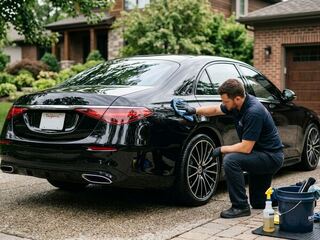
7 possible tasks · typical 5-step process
What it is
An exterior wash provides topical surface cleaning for the outer areas of passenger cars, trucks, or utility vehicles at the location where the vehicle is parked. The process typically encompasses washing the painted clear coat, exterior glass, rubber or plastic trim, wheels, and tires using dedicated automotive cleaners, wash mitts or pads, and drying procedures. This category of service generally addresses topical debris and does not encompass interior detailing, multi-stage machine paint polishing, deep acid decontamination for etched mineral spots, or protective ceramic coating installations.
What Exterior Wash can include
Foam Pre-Wash and Rinse
Application of a high-foaming automotive cleaning solution formulated to help loosen and encapsulate surface dust and loose road film prior to contact washing.
Hand Wash with Two-Bucket Method
Washing of painted surfaces and exterior moldings using microfiber mitts and separated wash and rinse buckets, a technique commonly used to reduce the transfer of loose dirt.
Wheel, Tire, and Wheel Well Cleaning
Use of targeted wheel cleaners and soft-bristle brushes intended to break down brake dust, road residue, and surface dirt from rims, tire sidewalls, and fender liners.
Spot-Free Rinse
Rinsing of the exterior surfaces, often utilizing deionized or filtered water systems designed to minimize residual mineral deposits during the drying phase.
Forced-Air and Microfiber Drying
Removal of surface water using clean microfiber drying towels, sometimes accompanied by low-pressure air blowers to displace pooled water around trim, mirrors, and grilles.
Exterior Glass and Mirror Polishing
Wiping and cleaning of windshields, side windows, rear glass, and side mirrors using automotive glass cleaners designed to minimize streaking.
Tire Dressing Application
Spreading of a water- or silicone-based cosmetic conditioning product onto tire sidewalls to create a uniform, refreshed finish.
How the work is typically performed
- 1
Vehicle Assessment and Mobile Setup
The service provider parks the mobile unit, arranges necessary water or power connections, and reviews the vehicle's general condition, noting sensitive finishes, existing trim wear, or heavy dirt concentration.
- 2
Wheel and Lower Panel Decontamination
Tires, rims, and lower rocker panels are typically pre-treated and cleaned first, separating high-friction brake dust and road grime from the primary body panels.
- 3
Pre-Soak and Contact Hand Wash
A pre-rinse or foaming soap layer is applied to loosen topical dirt, followed by a systematic hand wash of the upper, middle, and lower sections using clean microfiber media.
- 4
Spot-Free Rinse and Crevice Drying
The vehicle is rinsed with clean water and dried using dedicated towels and air blowers to address standing water droplets across body panels and seams.
- 5
Final Glass Cleaning and Protective Dressing
Exterior glass surfaces receive a final wipe-down, tire dressings are applied to rubber sidewalls, and exterior door edges or jambs may be wiped clean of wash runoff.
Common reasons customers look for this service
- Accumulation of surface dirt, highway road film, or seasonal road salt
- Presence of atmospheric dust, tree pollen, or light industrial residue
- Accumulation of insect residue or bird droppings on outer paint and glass
- Noticeable buildup of dark brake dust along wheel faces and spokes
- Routine aesthetic upkeep between seasonal wax, sealant, or detailing appointments
- Preparation of a vehicle for resale listings, trade-in valuations, or social events
About Exterior Wash
What utility connections are typically required for mobile exterior washing?
Utility requirements depend on the equipment configuration of each independent service provider. Many mobile detailing units carry self-contained water tanks and electrical generators, while other operators may arrange with the property owner to connect to an exterior water spigot or standard electrical outlet.
What is the distinction between a standard exterior wash and paint correction?
A standard wash is focused on removing loose topical contaminants such as dirt, dust, and road films. Paint correction involves mechanical machine abrasion using compounds or polishes designed to alter the clear coat and diminish swirl marks, light scratches, or etched surface defects.
What factors influence how often an exterior wash is scheduled?
Scheduling frequency can vary based on individual preferences, geographical climate, driving mileage, and whether the vehicle is stored in an enclosed garage or exposed to outdoor elements such as trees, construction dust, or road treatment compounds.
This page provides general information about Exterior Wash for reference only. It is not professional, safety, medical, legal or financial advice, and it does not describe the services of any particular provider. Scope, methods and timing vary by provider and situation. Kuldesac does not perform these services; contact a qualified provider directly to discuss your specific needs.