


Wild Animal Removal Services
Wild animal removal involves specialized services such as trapping, passive exclusion, physical retrieval, and structural reinforcement designed to address animal presence in or around residential and commercial properties.
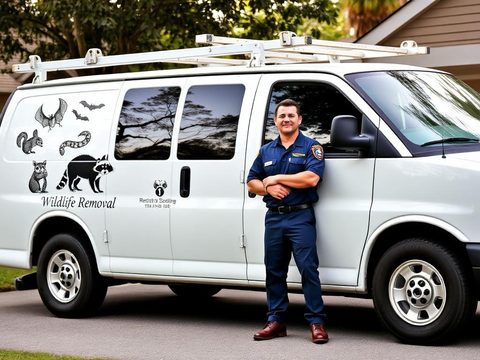
4 services · typical 5-step process
What it is
Wild animal management encompasses locating, capturing, or redirecting undomesticated wildlife found near building envelopes and interior spaces. Service providers typically evaluate structural perimeters, install one-way egress apparatuses or live traps, and carry out repair measures or remediation within affected enclosures. Projects can range from the targeted extraction of an individual animal to comprehensive exterior barrier installations aimed at restricting future transit along roof perimeters, subfloors, and siding gaps.
Services that can fall within Wild Animal Removal
Raccoon Removal
Technicians typically examine potential entry points around roof transitions, vents, and subfloors to position live-capture equipment or directional exit devices. Work can also involve inspecting crawlspaces or attics for nesting debris, clearing waste, and fastening wire mesh or heavy-gauge metal over access voids.
Learn moreSquirrel Removal
Often directed at tree squirrels or flying squirrels found in upper wall voids, attic spaces, or gutter lines, this service may employ repeating cage traps or one-way exclusion tubes. Providers can also remove gathered caches, address shifted thermal materials, and install durable covers along fascia and eave intersections.
Learn moreBat Removal & Exclusion
Providers typically place flexible netting or one-way valves over identified roost gaps near ridge vents, soffits, and roof intersections, allowing animals to vacate without permitting re-entry. Once activity diminishes, auxiliary crevices can be sealed, and guano deposits or surface residues may be cleared or treated with topical cleaning agents.
Learn moreAttic / Crawlspace Exclusion
This service focuses on reinforcing structural boundaries by sealing architectural openings such as foundation grates, louvers, soffit seams, and utility penetrations. Crews often apply metal flashing, galvanized mesh, or commercial-grade sealants intended to form physical barriers across standard structural gaps.
Learn more
How the work is typically performed
- 1
Initial Property Assessment
Technicians survey building exteriors and internal spaces, such as attic zones, crawlspaces, and roof junctions, noting signs of animal presence, structural vulnerabilities, and potential points of access.
- 2
Trapping and Egress Management
Species-appropriate equipment, including live-containment cages or directional one-way doors, is placed near active transit routes or entry gaps to facilitate removal or voluntary exit.
- 3
Exclusion and Structural Sealing
Identified architectural gaps, vent openings, and exterior seams are sealed utilizing galvanized hardware cloth, metal sheeting, and exterior sealants to deter return access through those specific areas.
- 4
Debris Clearing and Surface Treatment
Soiled insulation, food collections, and organic waste materials can be cleared from affected areas, followed by the optional use of odor-counteracting solutions or sanitizing sprays.
- 5
Follow-Up Assessment
Additional visits may be conducted to inspect installed exclusion materials, check on capture devices, and verify that physical barriers remain positioned as intended.
Common reasons customers look for this service
- Auditory cues such as scratching, scuffling, or tapping noted within wall assemblies, ceilings, or crawlspaces
- Accumulation of droppings, surface smudging, or organic odors noticed near access doors, attics, or lower level vents
- Visible structural alterations such as displaced vent covers, compromised soffit panels, or gnaw marks along fascia boards
- Disarranged insulation, gnawed wiring sheaths, or dispersed nesting debris discovered during general property reviews
- Sightings of wildlife entering or leaving crevices along roof edges, masonry gaps, or foundation openings
About Wild Animal Removal
How do wildlife service providers determine if animals have departed an enclosure?
Technicians often install temporary one-way devices alongside monitoring aids such as tracking paper, inspection mirrors, or motion cameras. Permanent sealing of the primary egress point generally occurs after observed activity at the opening subsides, though procedures can vary depending on the provider and animal species involved.
What types of materials are commonly used for structural wildlife exclusion?
Materials typically selected for exclusion work include heavy-gauge galvanized hardware cloth, formed metal flashing, concrete repair mortars, and exterior-grade sealants capable of withstanding weather and animal gnawing.
What does the remediation process involve after wildlife has been removed?
Post-removal services can include the collection and disposal of soiled insulating materials, removal of animal droppings, and the application of surface cleaners or deodorizing agents across affected floorboards and structural framing.
This page provides general information about Wild Animal Removal for reference only. It is not professional, safety, medical, legal or financial advice, and it does not describe the services of any particular provider. Scope, methods and timing vary by provider and situation. Kuldesac does not perform these services; contact a qualified provider directly to discuss your specific needs.