


Mold Remediation
Mold remediation refers to the identification, containment, removal, and surface cleaning of indoor fungal growth and affected materials following moisture exposure or elevated humidity.
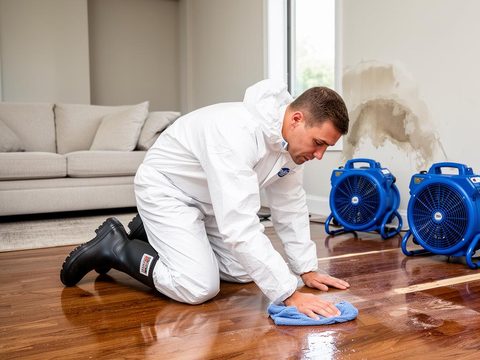
6 possible tasks · typical 5-step process
What it is
Mold remediation involves addressing indoor fungal colonization and airborne particulates associated with moisture intrusion, such as water pipe breaks, exterior seepage, or ambient dampness. The scope of work typically focuses on establishing containment barriers, taking down porous materials that cannot be salvaged, treating structural wood or masonry surfaces, and applying topical antimicrobial formulations. General remediation projects commonly separate the decontamination phase from underlying structural repairs or reconstruction, meaning that plumbing fixes, roofing repairs, drywall installation, painting, and finish carpentry are usually addressed under separate contracting agreements.
What Mold Remediation can include
Containment Chamber Setup
Technicians may isolate the project area using plastic sheeting barriers and tension framing, often pairing this with exhaust equipment to create negative air pressure designed to reduce particle movement into adjacent spaces.
HEPA Air Scrubbing
Contractors frequently operate commercial air filtration devices equipped with high-efficiency particulate air (HEPA) filters throughout the work area to capture suspended dust and fungal elements from ambient air.
Porous Material Demolition
Work plans often involve removing compromised materials that cannot be adequately laundered or cleaned, such as saturated drywall sections, fiberglass insulation, carpeting, and baseboard trim.
Abrasive Surface Cleaning
Exposed framing, concrete, or subflooring can be treated with vacuuming and mechanical abrasion methods, such as sanding, wire brushing, or dry-ice blasting, to address material surface layers.
Antimicrobial and Biocide Application
Professionals may apply formulated antimicrobials, cleaners, or fungicidal solutions to cleaned structural substrates, intended to inhibit remaining surface micro-organisms and address damp odors.
Antifungal Encapsulation
Specialized primers, sealants, or coatings are sometimes painted or sprayed over structural framework to seal substrate surfaces and help resist future topical moisture retention.
How the work is typically performed
- 1
Moisture Mapping and Isolation
Technicians typically evaluate the observable perimeter of moisture and surface growth using thermal cameras or moisture meters, block connected ductwork registers, and erect poly containment partitions.
- 2
Controlled Removal and Disposal
Porous components deemed non-restorable are often lightly misted to manage loose dust, cut out, placed in sealed disposal bags, and routed out of the structure along designated pathways.
- 3
Physical Agitation and Deep Cleaning
Exposed joists, studs, and other resilient assemblies are commonly abraded using mechanical brushes, sanding systems, or media blasting, followed by HEPA vacuum passes over exposed framing.
- 4
Disinfection and Drying
Surfaces are typically treated with cleaning agents or antimicrobial products, while commercial air movers and dehumidification systems can be set up to lower moisture levels in damp structural lumber.
- 5
Final HEPA Vacuuming and Site Prep
The containment space is typically given detailed vacuum passes and damp-wipe treatments across hard surfaces, preparing the staging area for post-remediation assessments or subsequent trades.
Common reasons customers look for this service
- Observation of discolored, dark, or fuzzy surface spots on interior building materials.
- Persistent musty or damp odors detected in living areas, basements, or mechanical closets.
- Situations following interior water events, such as pipe failures, appliance overflows, or roof leaks.
- Visual evidence of previous water staining alongside bubbling, peeling, or deteriorating drywall.
- Elevated relative indoor humidity accompanied by regular condensation along window panes or exterior-facing walls.
About Mold Remediation
What is the distinction between surface cleaning and mold remediation?
Surface cleaning generally involves washing visible top-layer marks using standard household cleansers. Mold remediation typically involves a broader structural approach, which may incorporate physical isolation of the work zone, removal of porous building components, mechanical filtering of the indoor air, and deep abrasion or treatment of structural wood assemblies.
How is building occupancy typically managed during a remediation project?
Occupancy arrangements can depend on the project scale, the specific areas being treated, and provider policies. When work is confined to a sealed chamber with dedicated exhaust, normal site use in separate areas may continue, whereas larger containment setups involving central ductwork or extensive demolition can lead property owners to arrange alternative access plans.
What is the typical relationship between mold remediation and subsequent reconstruction?
Mold remediation scopes are primarily focused on the extraction, sanitizing, and drying of affected areas. Rebuilding activities, such as hanging replacement drywall, reinstalling insulation, and applying finish finishes, are generally considered separate trade services that occur after the remediation tasks have concluded.
This page provides general information about Mold Remediation for reference only. It is not professional, safety, medical, legal or financial advice, and it does not describe the services of any particular provider. Scope, methods and timing vary by provider and situation. Kuldesac does not perform these services; contact a qualified provider directly to discuss your specific needs.