


EV Charger Install
EV charger installation describes the physical placement of electric vehicle supply hardware and its connection to a property electrical distribution system to support vehicle power replenishment.
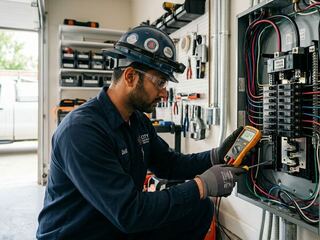
6 possible tasks · typical 5-step process
What it is
EV charger installation involves the integration of dedicated vehicle supply equipment or specialized electrical outlets in residential or commercial settings such as carports, garages, and designated exterior parking bays. The scope of such projects can involve reviewing panel configurations, running protective conduit, integrating dedicated circuit switches, and securing the supply station. Service arrangements generally focus on the equipment connection and physical setup rather than automobile maintenance, utility grid reconfigurations, or unrelated property excavations unless coordinated as part of a broader property project.
What EV Charger Install can include
Panel Capacity Evaluation
Providers can examine the distribution panel setup and review existing power usage to evaluate how the system handles the inclusion of an added continuous electrical circuit.
Dedicated Circuit Breaker Installation
This component often involves inserting a dedicated switch into the main distribution board matched to the power profile of the selected charging unit.
Conduit and Conductor Routing
Protective tubing and insulated wiring can be placed along structural surfaces to bridge the span between the service panel and the vehicle charging area.
EVSE Unit Mounting
The charging hardware enclosure or pedestal is typically anchored to building studs, solid walls, or standalone exterior posts according to equipment specifications.
Hardwire or Receptacle Termination
The installation can involve connecting electrical leads directly to the charging device internal terminals or wiring a designated high-power wall outlet.
System Testing and Commissioning
Service providers may activate power to review system readouts, observe startup indicator displays, and verify general operating readiness.
How the work is typically performed
- 1
Site Review and Electrical Assessment
The technician examines the property electrical infrastructure, tracks the intended path to the vehicle stall, and reviews estimated facility power utilization.
- 2
Pathway Preparation and Conduit Placement
Protective piping and securing brackets can be attached across walls, ceiling joists, or outdoor structures along the planned route.
- 3
Conductor Installation and Panel Connection
Electrical conductors are drawn through the conduit runs and connected to a dedicated breaker switch within the central panel enclosure.
- 4
Equipment Mounting and Wiring Connection
The supply hardware is fastened to the designated surface, and wiring leads are connected through direct hardwiring or designated outlet attachments.
- 5
Startup and Operational Verification
Electric power is supplied to check hardware indicators, establish internal equipment settings, and observe basic station functionality.
Common reasons customers look for this service
- Purchase or lease of a plug-in electric vehicle
- Interest in transitioning to a dedicated residential or commercial charging station
- Updating or replacing existing charging hardware
- Adding more charging capacity to accommodate multiple electric vehicles
- Moving an established charging station to an alternative parking space or garage wall
About EV Charger Install
What is the difference between hardwired charging stations and plug-in configurations?
Hardwired systems join directly to dedicated electrical conductors within an enclosed terminal box, which can support stationary placement across diverse indoor or outdoor locations. Plug-in units attach to a designated heavy-duty receptacle, allowing the station to be detached from the wall if needed. Features, configuration options, and hardware designs can vary depending on the manufacturer and setup.
What factors can affect whether an electrical panel can accommodate a charger?
Panel adaptability often relates to the overall incoming electrical capacity, existing usage from other property systems, and the physical availability of open breaker slots. Depending on the site evaluation, options can involve adding a dedicated breaker, introducing power management accessories, or modifying the main panel as determined by the service professional.
How is the placement of an EV charging station typically determined?
Placement considerations commonly include the location of the vehicle charge port, the length of the supply cord, and the route back to the main electrical panel. Units are frequently positioned on garage side walls, carport supports, or exterior surfaces that allow the cable to reach the vehicle in customary parking positions.
This page provides general information about EV Charger Install for reference only. It is not professional, safety, medical, legal or financial advice, and it does not describe the services of any particular provider. Scope, methods and timing vary by provider and situation. Kuldesac does not perform these services; contact a qualified provider directly to discuss your specific needs.